
Every morning before leaving the house, you quietly slip an incontinence pad into your underwear. It’s become part of your daily routine. Just like brushing your teeth.
You check your purse to make sure you packed an extra one. You avoid sitting too far from the restroom. You hesitate before laughing too hard, exercising, or accepting invitations that might keep you away from home for several hours.
For millions of women, this has become normal life. Whether it’s a few drops when you sneeze or more frequent accidents throughout the day, bladder leaks can gradually affect much more than your clothing — they can affect your confidence, your independence, and even your willingness to enjoy everyday activities.
Fortunately, today’s female incontinence pads, adult incontinence pads, and other urinary incontinence products have become more comfortable, discreet, and absorbent than ever before. They allow many women to continue working, traveling, exercising, and spending time with family without constantly worrying about accidents.
That’s a good thing. But here’s an important question that often gets overlooked: are your incontinence pads actually solving your bladder problem — or simply helping you live with it?
For many women, the answer is the second one. Pads can be incredibly helpful for managing symptoms, but they generally don’t address the underlying reasons those leaks are happening in the first place. Understanding those reasons is often the first step toward taking a more proactive approach to bladder health.
In this article, we’ll explore why so many women continue to depend on bladder leak pads, what these products can and can’t do, the hidden factors that contribute to urinary leakage, and practical strategies that may help support healthier bladder function over time.
If you find yourself replacing bladder leak pads or adult incontinence pads every day, you may be wondering whether there’s a way to support your bladder health beyond simply managing leaks. Many women are now combining healthy lifestyle habits with targeted nutritional support.
FemiCore is a dietary supplement formulated to support healthy bladder function and urinary system wellness as part of a balanced lifestyle. It may be a helpful addition for women looking to support their bladder health from the inside out.
Learn More About FemiCore →Results vary. Dietary supplements are not intended to diagnose, treat, cure, or prevent any disease.
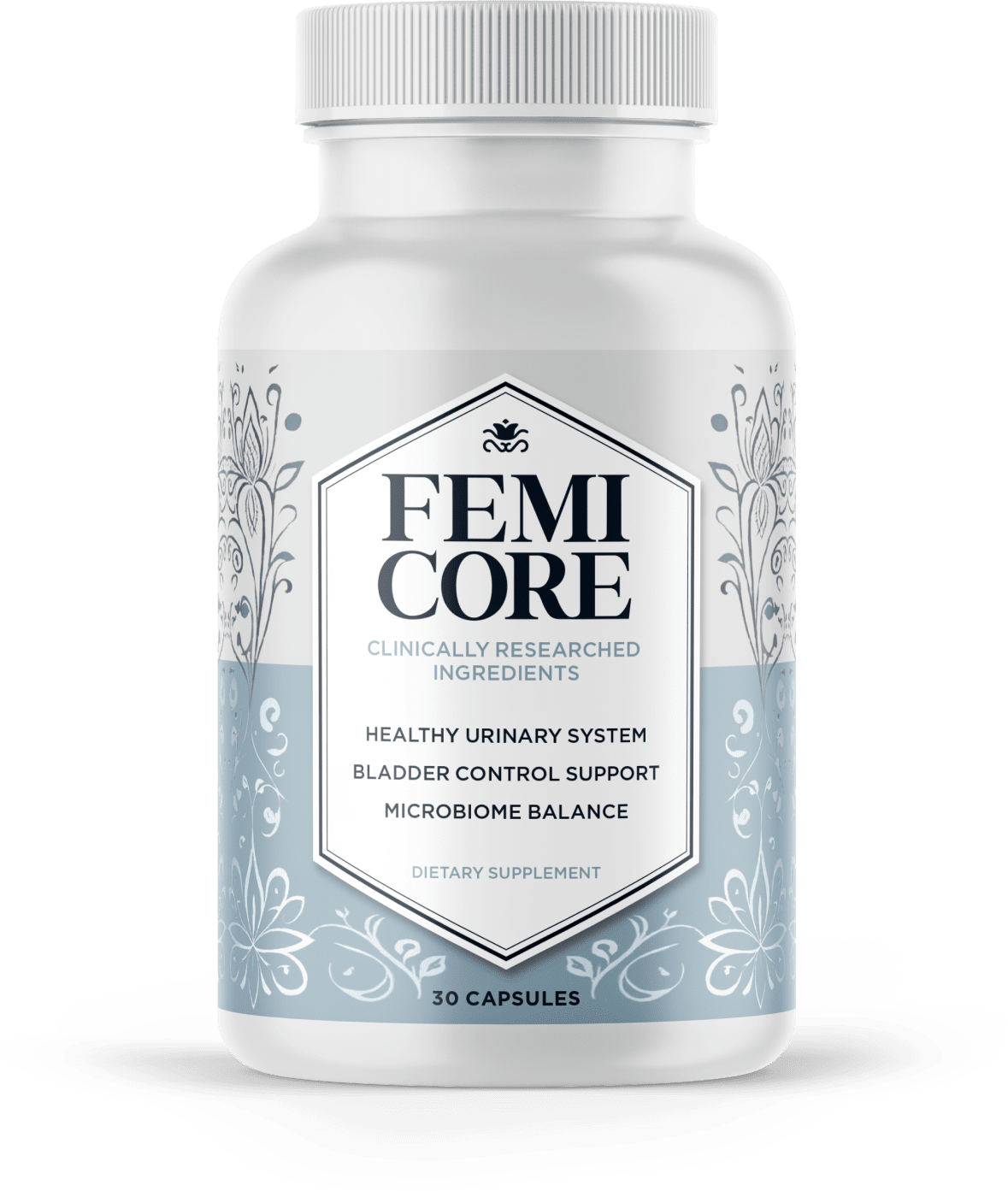
Before we go further — if you’re curious what’s actually in FemiCore, you can take a quick look here.
Why Millions of Women Depend on Incontinence Pads
If you’ve searched online for terms like best incontinence pads for women, adult pee leak protection, bladder leak pads, leak-proof underwear, overnight bladder leak protection, disposable incontinence pads, or bladder control products, you’re certainly not alone.
Urinary incontinence affects millions of women worldwide, and the likelihood increases with age. Pregnancy, childbirth, menopause, certain medical conditions, and lifestyle factors can all contribute to bladder leaks.
For many women, absorbent products provide immediate peace of mind. They can help:
- Protect clothing from unexpected leaks
- Reduce anxiety while away from home
- Improve confidence during exercise
- Make traveling easier
- Provide reassurance during long meetings or social events
- Offer extra protection overnight
There’s absolutely nothing wrong with using these products. In fact, healthcare professionals often recommend them as one part of an overall bladder management plan. The problem isn’t the pads themselves. The problem is believing they’re the only solution available.
What Incontinence Pads Do Really Well
Modern incontinence products have come a long way over the past decade. Many are designed specifically to:
- Lock away moisture quickly
- Help control odor
- Reduce skin irritation
- Remain discreet under clothing
- Provide different absorbency levels for light or heavy leakage
Whether you use female incontinence pads, heavy absorbency pads, or overnight bladder leak protection, these products serve an important purpose. They help you continue living your life with greater confidence. That matters. Feeling secure enough to leave the house, attend family gatherings, exercise, or travel without constant worry can make a tremendous difference in overall quality of life.
But there’s one thing they aren’t designed to do. They don’t treat the underlying cause of bladder leaks.
The Difference Between Managing Symptoms and Addressing the Cause
Imagine placing a bucket under a leaking roof. The bucket collects the water. It protects your floor. It makes life easier. But the leak in the roof is still there.
In many ways, incontinence pads work similarly. They help manage the symptom — urine leakage — but they don’t explain why the leakage is happening. That’s an important distinction because urinary incontinence isn’t a disease itself. It’s a symptom with many possible causes.
Some women experience bladder leaks because their pelvic floor muscles have weakened over time. Others develop symptoms after pregnancy or childbirth. For many women over 40, hormonal changes associated with perimenopause and menopause play a significant role. Still others may experience bladder leakage because of:
- Chronic constipation
- Excess body weight
- Overactive bladder
- Certain medications
- Chronic coughing
- Neurological conditions
- Diabetes
- Bladder irritation
- Pelvic organ prolapse
Each of these situations may require a different approach. That’s why simply changing brands of absorbent pads rarely changes the long-term picture.
Why So Many Women Accept Bladder Leaks as “Normal”
One of the biggest obstacles to improving bladder health isn’t a lack of treatment options. It’s the belief that bladder leaks are simply an unavoidable part of aging. Many women hear comments like “It happens after kids,” “It’s just part of getting older,” or “Every woman leaks eventually.”
While bladder leaks do become more common with age, they should never be dismissed simply because you’re over 40. Healthcare professionals now understand far more about urinary incontinence than they did just a few decades ago. Many women experience meaningful improvements after identifying the underlying cause of their symptoms and following an individualized treatment plan.
In other words: growing older doesn’t automatically mean giving up bladder control.
Understanding the Different Types of Bladder Leaks
Not all urinary leakage is the same. Understanding the type you’re experiencing can help you have a more productive conversation with your healthcare provider.
Stress Urinary Incontinence
This occurs when pressure inside the abdomen increases. Common triggers include sneezing, coughing, laughing, jumping, running, and lifting heavy objects. Stress urinary incontinence is often associated with weakened pelvic floor muscles or reduced support around the bladder and urethra.
Urge Urinary Incontinence
Sometimes called overactive bladder, this type involves a sudden, intense urge to urinate that’s difficult to control. Many women describe it as: “I know I have to go — but I simply can’t make it to the bathroom in time.”
Mixed Urinary Incontinence
Many women actually experience a combination of both stress and urge incontinence. This is known as mixed urinary incontinence. Recognizing which symptoms sound most familiar can help guide discussions with your healthcare provider and inform appropriate treatment options.
Pads and protective underwear can provide valuable confidence — and there’s absolutely nothing wrong with using them. But if you’re also interested in supporting the health of your bladder itself, consider taking a broader approach.
Alongside healthy eating, staying active, maintaining a healthy weight, and following your healthcare provider’s advice, FemiCore is designed to support urinary system wellness with ingredients selected to complement your everyday routine. Many women appreciate adding nutritional support to their overall bladder wellness plan instead of relying solely on absorbent products.
Visit the Official FemiCore Website →Managing symptoms isn’t the same as understanding what’s causing them. Let’s explore some of the most common reasons bladder leaks continue — and why simply switching to a more absorbent pad may not change the underlying problem.
Hidden Cause #1 — Hormonal Changes Can Affect Bladder Health
Many women first notice bladder leaks during their 40s and 50s. This timing isn’t a coincidence. As women approach perimenopause and menopause, estrogen levels naturally begin to decline. Most people associate estrogen with reproductive health, but it also plays an important role in maintaining healthy tissues throughout the urinary tract.
As estrogen decreases, several changes may occur: the tissues surrounding the urethra may become thinner, pelvic tissues may lose some elasticity, the bladder may become more sensitive, and support structures around the bladder may weaken.
These changes may contribute to symptoms such as bladder leaks when coughing or sneezing, increased urgency, more frequent urination, nighttime bathroom trips, and greater susceptibility to urinary tract infections.
These hormonal changes are a normal part of aging — but they don’t necessarily mean you have to accept bladder leaks as inevitable. Many women benefit from discussing treatment options with their healthcare provider, including pelvic floor therapy, lifestyle changes, and other evidence-based strategies.
Hidden Cause #2 — Weak Pelvic Floor Muscles Aren’t Always the Whole Story
When women mention bladder leaks, one piece of advice almost always follows: “Just do Kegel exercises.” Pelvic floor exercises can certainly help many women. But they’re not a universal solution.
In reality, bladder control depends on much more than muscle strength alone. Some women perform Kegels incorrectly. Others have pelvic floor muscles that are overly tight rather than weak. Still others have bladder leaks caused primarily by bladder sensitivity, nerve function, hormonal changes, or other medical conditions. This explains why two women can perform the same exercises consistently yet experience completely different results.
If you’ve been faithfully doing Kegels without noticeable improvement, it may be worth asking your healthcare provider whether a pelvic floor assessment could help identify the underlying issue.
Why Pelvic Floor Health Matters
Your pelvic floor acts like a supportive hammock for the bladder, the uterus, and the bowel. These muscles help control urination while also supporting pelvic organs during everyday activities.
Over time, several factors may weaken or affect these muscles:
- Pregnancy
- Childbirth
- Aging
- Chronic coughing
- Heavy lifting
- Obesity
- High-impact exercise
- Previous pelvic surgery
Supporting pelvic floor health often requires more than strengthening exercises alone.
If you’ve been relying on female incontinence pads, bladder leak pads, or adult incontinence pads every day, you already know they can provide valuable protection. But many women are now asking a different question: “What can I do to support my bladder health — not just manage the leaks?”
That’s why many women combine healthy habits with nutritional support. FemiCore is formulated to support healthy urinary tract and bladder function as part of a balanced lifestyle. While it isn’t intended to replace medical care, it may complement other healthy practices like staying active, maintaining a healthy weight, and following your healthcare provider’s recommendations.
Discover FemiCore →Results vary. Dietary supplements are not intended to diagnose, treat, cure, or prevent disease.
Hidden Cause #3 — You May Have an Overactive Bladder
Not all bladder leaks occur because of weak muscles. Some happen because the bladder muscle contracts unexpectedly — even when it isn’t completely full. This condition is commonly known as overactive bladder (OAB).
Women with overactive bladder often experience sudden, difficult-to-control urges to urinate, frequent daytime urination, waking multiple times during the night, and leaks before reaching the bathroom.
Unlike stress urinary incontinence, these leaks aren’t usually triggered by coughing or laughing. Instead, they happen because the bladder becomes overly active. Fortunately, treatment options may include bladder training, pelvic floor therapy, lifestyle changes, prescription medications (when appropriate), and behavioral strategies recommended by healthcare professionals.
Receiving the correct diagnosis is important because different types of urinary incontinence often require different management approaches.
Hidden Cause #4 — Everyday Habits Could Be Making Things Worse
Many women unknowingly develop habits that place extra stress on the bladder. Some of the most common include:
Drinking Too Little Water
Many women intentionally reduce their fluid intake because they’re afraid of leaking. Ironically, concentrated urine can irritate the bladder lining and increase urgency. Proper hydration actually supports healthy bladder function.
Carrying Extra Weight
Excess body weight increases pressure inside the abdomen. That pressure is transferred directly onto the bladder and pelvic floor. Research suggests that even modest weight loss may reduce symptoms for some women with stress urinary incontinence.
Chronic Constipation
The bladder and bowel share limited space within the pelvis. When constipation becomes chronic, pressure from the bowel can affect bladder function and contribute to leakage. Improving digestive health often benefits bladder health as well.
Smoking
Smoking contributes to chronic coughing, which repeatedly increases pressure on the pelvic floor. Smoking has also been linked to several health conditions that can indirectly affect bladder function.
Excess Caffeine and Alcohol
Coffee, tea, energy drinks, and alcohol may irritate the bladder in some individuals. You don’t necessarily need to eliminate them completely. Keeping a bladder diary for one or two weeks can help identify personal triggers.
Small Changes Can Make a Big Difference
Many women assume that if bladder leaks have been happening for years, nothing can be done. That’s simply not true. Often, meaningful improvements come from combining several healthy habits:
- Maintaining a healthy weight
- Staying hydrated
- Practicing pelvic floor exercises correctly
- Eating plenty of fiber
- Staying physically active
- Managing chronic conditions
- Seeking professional guidance when needed
These changes may not produce overnight results, but consistency often makes a meaningful difference over time.
Pads and protective underwear have an important place in managing urinary leaks, especially when you’re at work, traveling, or staying active. But many women eventually decide they want to do more than simply change pads throughout the day.
If that’s where you are, FemiCore may be worth exploring. Designed to complement healthy lifestyle habits, FemiCore supports bladder and urinary system wellness with a carefully selected blend of ingredients. It fits naturally into a broader bladder wellness plan that includes good nutrition, regular movement, pelvic floor care, and guidance from your healthcare provider.
Learn More About FemiCore →Natural Ways to Support Better Bladder Health
There isn’t a single solution that works for everyone because urinary incontinence has many possible causes. However, several evidence-based habits may help support healthier bladder function over time.
1. Keep Your Pelvic Floor Strong—and Flexible
Pelvic floor exercises remain one of the most commonly recommended strategies for stress urinary incontinence. However, quality matters more than quantity. Instead of simply doing hundreds of Kegel exercises every day, focus on learning proper technique, being consistent, avoiding over-tightening the muscles, and working with a pelvic floor therapist if needed. Sometimes improving muscle coordination is more important than increasing muscle strength.
2. Stay Physically Active
Regular exercise benefits nearly every system in the body — including your bladder. Low-impact activities such as walking, swimming, cycling, yoga, Pilates, and water aerobics can improve circulation, support weight management, and strengthen muscles without placing excessive stress on the pelvic floor. Aim for movement most days of the week, even if it’s just a brisk 20–30 minute walk.
3. Maintain a Healthy Weight
Excess body weight places continuous pressure on the bladder and pelvic floor. Research has shown that even modest weight loss may reduce episodes of stress urinary incontinence for some women. Instead of focusing on restrictive diets, aim for sustainable habits such as eating balanced meals, choosing whole foods more often, limiting highly processed snacks, staying active, and getting adequate sleep.
4. Eat to Support Bladder and Digestive Health
What you eat affects more than your waistline. It also influences your digestive system, inflammation, and overall well-being. A diet rich in vegetables, fruits, whole grains, beans, lean protein, and healthy fats can support regular bowel movements and help reduce constipation — a common but overlooked contributor to bladder leaks. At the same time, pay attention to foods or beverages that seem to worsen your symptoms. Some women find that reducing excess caffeine, alcohol, or carbonated drinks helps decrease bladder urgency.
Changing pads every day may help you feel more confident — but many women eventually decide they want to support the health of their bladder, too.
Along with healthy lifestyle habits, FemiCore is designed to support urinary tract and bladder wellness as part of a comprehensive self-care routine. Rather than replacing medical care, it’s intended to complement healthy habits such as regular exercise, proper hydration, pelvic floor care, and balanced nutrition. If you’re looking for a way to go beyond symptom management, it may be worth learning more about how FemiCore fits into an overall bladder wellness plan.
Visit the Official FemiCore Website →Individual results vary. Dietary supplements are not intended to diagnose, treat, cure, or prevent any disease.
When Should You See a Healthcare Professional?
While occasional bladder leaks are common, some symptoms deserve prompt medical attention. Speak with your healthcare provider if you experience:
- Blood in your urine
- Pain or burning while urinating
- Frequent urinary tract infections
- Difficulty emptying your bladder
- Sudden or severe worsening of bladder control
- Leakage that significantly affects your daily life
- Pelvic pain or pressure
- A noticeable bulge in the vaginal area
- New symptoms after starting a medication
A proper evaluation can help identify the cause of your symptoms and guide you toward the most appropriate treatment.
Frequently Asked Questions
Are incontinence pads bad to use every day?
No. Modern female incontinence pads, adult incontinence pads, and bladder leak pads are designed to provide comfort, absorbency, and skin protection. They can be an important part of managing urinary incontinence. The key is recognizing that they primarily help manage symptoms rather than address the underlying causes of bladder leaks.
Will bladder leaks go away on their own?
It depends on the cause. Some cases improve with pelvic floor therapy, bladder training, weight management, or treatment of an underlying medical condition. Others require ongoing management. That’s why obtaining an accurate diagnosis is so important.
Are bladder leaks just part of getting older?
No. Although urinary incontinence becomes more common with age, it isn’t an inevitable part of aging. Many women experience meaningful improvements after identifying the underlying cause and following an individualized treatment plan.
Is it okay to wear bladder leak pads every day?
Yes. Many women wear absorbent pads daily for convenience and confidence. If you’re needing them more frequently over time, however, consider discussing your symptoms with a healthcare professional to determine whether additional evaluation or treatment may help.
Can lifestyle changes really make a difference?
For many women, yes. Healthy habits such as maintaining a healthy weight, staying active, managing constipation, drinking enough water, limiting bladder irritants, and practicing pelvic floor exercises correctly can contribute to better bladder health over time.
Final Thoughts
If you’ve been using incontinence pads every day, it’s important to know that you’re not alone. Millions of women rely on absorbent products to help them stay active, confident, and engaged in daily life. There’s absolutely no shame in using them. In fact, they often provide the reassurance needed to continue working, exercising, traveling, and spending time with loved ones.
At the same time, it’s worth asking yourself an important question: “Am I only managing my bladder leaks — or am I also taking steps to understand why they’re happening?” For many women, that shift in thinking can be empowering.
Bladder leaks may be influenced by hormonal changes, pelvic floor function, bladder sensitivity, body weight, constipation, medications, and other health factors. Understanding these contributors opens the door to more personalized strategies that go beyond symptom management.
A balanced approach often includes working with your healthcare provider, staying physically active, maintaining a healthy weight, supporting digestive health, practicing pelvic floor exercises correctly, using absorbent products when needed, and considering nutritional support as part of your overall wellness routine.
By focusing on both symptom management and long-term bladder health, many women feel better equipped to regain confidence and enjoy everyday activities without letting bladder leaks define their lives.