Why Won’t My Swelling Go Away?
9 hidden causes of water retention — and what actually helps, from sodium and hydration to your lymphatic system, kidneys, and heart.
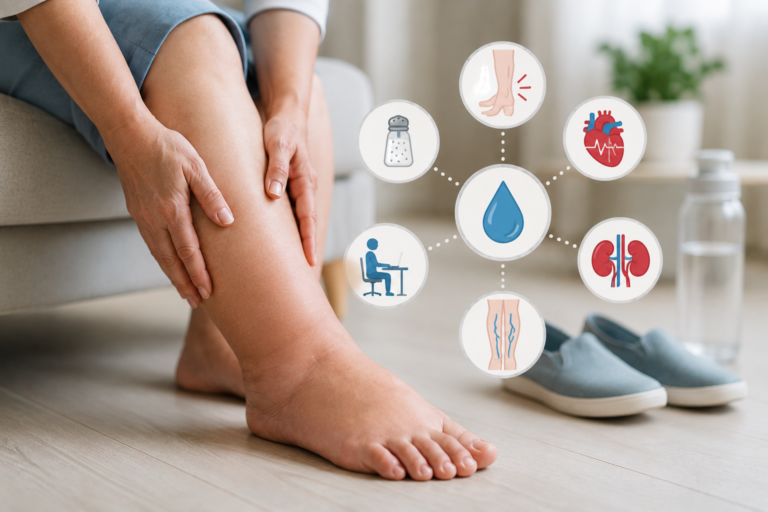
Have you noticed your rings fitting tighter than usual? Do your shoes suddenly feel snug by the end of the day? Perhaps your ankles, feet, hands, or face seem swollen for no obvious reason.
Occasional swelling is common and often harmless. Long periods of standing, eating a particularly salty meal, or hot weather can all cause your body to retain extra fluid temporarily. However, when swelling becomes frequent, persistent, or continues to worsen, it may be your body’s way of signaling that something deeper deserves attention.
Water retention — also known as fluid retention or edema — occurs when excess fluid builds up in the body’s tissues. While many people associate swelling with simply drinking too much water or consuming too much salt, the reality is far more complex.
Your diet, activity level, medications, hormones, circulation, kidney function, heart health, and even your lymphatic system all play important roles in regulating how your body manages fluids.
If puffiness has become a daily annoyance, you’re not alone
A lot of people find that once they understand what’s really driving their swelling, small daily habits — and the right support — make it far easier to manage.
See how Lymph Tonic fits in- What Is Water Retention?
- 9 Hidden Causes of Water Retention
- Healthy Ways to Support Fluid Balance
- When Should You See a Doctor?
- Frequently Asked Questions
- Final Thoughts
What Is Water Retention?
Water retention occurs when excess fluid accumulates within the body’s tissues instead of remaining properly balanced between cells, blood vessels, and the lymphatic system.
Swelling may appear in one area, such as the feet, ankles, legs, hands, or face — or it may affect larger areas of the body. Common symptoms include:
- Puffiness
- Tight skin
- Reduced flexibility
- Indentations after pressing the skin (pitting edema)
- Sudden weight fluctuations
- A feeling of heaviness
While occasional swelling is often temporary, persistent or unexplained edema should always be evaluated if accompanied by pain, shortness of breath, chest pain, fever, redness, or rapid onset.
9 Hidden Causes of Water Retention
Eating Too Much Sodium
One of the most common contributors to temporary water retention is excessive sodium intake. Sodium helps regulate fluid balance, but consuming more than your body needs can encourage it to hold onto extra water. Common sources include fast food, processed meats, frozen meals, chips, canned soups, restaurant foods, and salty snacks.
What can help? Focus on preparing more meals at home using fresh ingredients, and compare nutrition labels to choose lower-sodium options.
Not Drinking Enough Water
It sounds counterintuitive, but dehydration may actually contribute to water retention. When your body senses that water is in short supply, it may conserve fluids as a protective mechanism. Staying adequately hydrated helps support normal kidney function and fluid regulation.
Long Periods of Sitting or Standing
Gravity naturally causes fluid to collect in the lower legs. If you spend many hours sitting at a desk, driving, flying, or standing for work, fluid may accumulate in your ankles and feet.
Helpful tips:
- Walk every hour.
- Stretch your calf muscles.
- Elevate your legs when possible.
- Wear compression stockings if recommended by your healthcare provider.
Hormonal Changes
Hormonal fluctuations can influence fluid balance. Many women notice swelling before menstruation, during pregnancy, or around menopause. Hormones such as estrogen and progesterone can affect how the body retains sodium and water.
Noticing a pattern in your own swelling?
Diet, hydration, movement, and hormones are the four most common everyday drivers — and often the easiest to influence with the right support.
Explore the natural optionCertain Medications
Several medications list swelling as a possible side effect, including some blood pressure medications, corticosteroids, hormonal therapies, certain diabetes medications, and some anti-inflammatory drugs.
Never stop a prescribed medication without speaking to your healthcare provider.
Your Lymphatic System May Not Be Working Efficiently
The lymphatic system is an important part of the body’s fluid management system. Unlike blood, lymph does not have a central pump like the heart — instead, it moves through vessels with the help of muscle contractions, breathing, and one-way valves.
Its responsibilities include returning excess fluid to the bloodstream, transporting immune cells, removing waste products, and supporting normal immune function. When lymphatic drainage is impaired, fluid may accumulate in nearby tissues — which can happen for many reasons, including surgery, radiation therapy, infections, injury, or certain medical conditions.
Supporting overall health through regular movement, maintaining a healthy weight, staying hydrated, and following medical advice can help promote healthy lymphatic function.
Your lymphatic system works quietly, all day, with no pump of its own
Movement, hydration, and healthy daily habits all help it along. Lymph Tonic was designed as an easy addition to that routine for people looking to support healthy lymphatic function naturally.
Learn how Lymph Tonic worksNot a substitute for medical treatment of diagnosed lymphedema or other conditions — see your provider for those.
Kidney Problems
Healthy kidneys carefully regulate water and electrolyte balance. If kidney function becomes impaired, excess fluid may accumulate, leading to swelling — especially in the feet, ankles, and around the eyes. Persistent swelling accompanied by changes in urination, fatigue, or elevated blood pressure should be evaluated promptly.
Heart Conditions
The heart helps circulate blood throughout the body. When it cannot pump efficiently, fluid may back up in tissues, causing swelling in the legs, ankles, abdomen, or lungs.
Chronic Liver Disease
The liver produces proteins that help keep fluid inside blood vessels. Certain liver diseases may reduce these proteins, allowing fluid to leak into surrounding tissues, which can contribute to swelling in the legs and abdomen.
Kidney, heart, and liver-related swelling always deserve a doctor’s evaluation first
Once a serious cause has been ruled out or is being medically managed, plenty of people still look for simple, natural ways to support day-to-day fluid balance alongside their care plan.
See the natural, daily-routine optionHealthy Ways to Support Fluid Balance
While treatment depends on the underlying cause, several healthy habits may support normal fluid balance for many people.
Stay Physically Active
Regular movement helps support circulation and encourages normal lymphatic flow. Walking, swimming, cycling, and light resistance exercises are excellent options.
Choose a Balanced Diet
A nutritious eating pattern that emphasizes fruits, vegetables, whole grains, lean proteins, and healthy fats can support overall cardiovascular, kidney, and metabolic health.
Reduce Excess Sodium
Reading food labels and limiting highly processed foods can help lower sodium intake.
Stay Hydrated
Adequate hydration supports normal body functions, including healthy kidney function.
Maintain a Healthy Weight
Excess body weight can place additional strain on circulation and the lymphatic system. Gradual, sustainable lifestyle changes are generally more effective than restrictive diets.
Elevate Your Legs
If swelling develops after prolonged standing or sitting, raising your legs above heart level for short periods may help reduce fluid pooling.
Good habits do the heavy lifting — the right support can make them easier to stick with
Many people pair the daily habits above with Lymph Tonic’s natural formula as part of a simple, consistent routine.
See what’s inside Lymph TonicWhen Should You See a Doctor?
Seek medical evaluation if swelling:
- Appears suddenly
- Persists for several days
- Continues to worsen
- Occurs in only one leg with pain or redness
- Is accompanied by fever
- Occurs with shortness of breath or chest pain
- Develops during pregnancy with severe headache or vision changes
Persistent swelling should never be ignored.
Curious what’s actually in Lymph Tonic?
Take a look at the formula and see whether it’s a fit for your daily routine.
View the formulaFrequently Asked Questions
Is water retention the same as weight gain?
Not necessarily. Temporary fluid retention can increase body weight for a short period without representing increased body fat.
Can drinking more water reduce swelling?
In some situations, staying adequately hydrated supports healthy fluid regulation. However, the best approach depends on the underlying cause of swelling.
Does exercise help reduce water retention?
For many people, regular movement supports healthy circulation and lymphatic function, which may help reduce temporary fluid buildup.
Are swollen ankles always serious?
Not always. Swollen ankles may result from prolonged standing or minor injuries. However, persistent, painful, or sudden swelling should be evaluated by a healthcare professional.
Can stress contribute to swelling?
Chronic stress may indirectly influence fluid balance through hormonal changes, sleep disruption, dietary habits, and reduced physical activity.
Final Thoughts
Persistent swelling is more than just a cosmetic concern. While temporary water retention often results from everyday factors such as diet, inactivity, or hot weather, ongoing swelling may signal an underlying issue involving your circulation, kidneys, heart, liver, hormones, medications, or lymphatic system.
The encouraging news is that many cases of mild fluid retention can improve with healthy lifestyle habits such as staying active, eating a balanced diet, managing sodium intake, maintaining good hydration, and following your healthcare provider’s recommendations.
If swelling is persistent, painful, or accompanied by other concerning symptoms, seeking timely medical advice is the safest course of action. Understanding the possible causes is the first step toward finding the most appropriate solution for your individual situation.
Support healthy fluid balance, one habit at a time
Lymph Tonic is designed to pair with the everyday habits above — movement, hydration, and a balanced diet — as a simple addition to your routine.
Try Lymph Tonic today