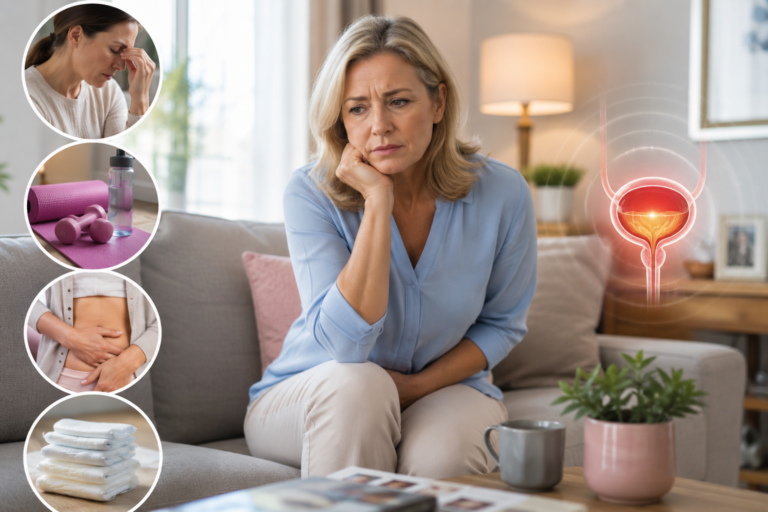
Have you ever found yourself crossing your legs before you sneeze? Maybe you’ve started mapping out where every restroom is before leaving the house. Or perhaps you’ve quietly stocked up on female incontinence pads, hoping no one notices the package in your shopping cart.
If any of that sounds familiar, you’re far from alone.
Bladder leaks affect millions of women worldwide, and the likelihood increases with age. While occasional urine leakage can happen at almost any stage of life, many women begin noticing changes in their 40s and beyond. A laugh that once caused no concern suddenly leads to a small leak. A brisk walk, lifting groceries, or chasing grandchildren becomes enough to trigger an accident.
For many women, these moments are more than an inconvenience — they can chip away at confidence, limit social activities, interrupt sleep, and create constant anxiety about being away from a bathroom.
The first response is often to search for quick fixes:
- Urinary incontinence products
- Adult incontinence pads
- Bladder leak pads
- Disposable incontinence pads
- Leak-proof underwear
- Bladder control products
- Overnight bladder leak protection
These products can certainly help manage symptoms and provide peace of mind. But if you’ve been relying on them for months — or even years — you’ve probably asked yourself an important question: “Why is this happening in the first place?”
The encouraging news is that bladder leaks are not simply an inevitable part of getting older. While aging does bring changes to the body, there are often several contributing factors that can be addressed through lifestyle habits, pelvic floor care, medical guidance, and, for some women, supportive wellness products.
In this article, we’ll explore why bladder leaks become more common after 40, the science behind these changes, and natural strategies that may help you support healthier bladder function and regain confidence.
If you’re tired of depending solely on bladder leak pads, adult incontinence pads, or urinary incontinence products, you’re not alone. Many women are now looking for ways to support bladder health from the inside out, rather than simply managing symptoms.
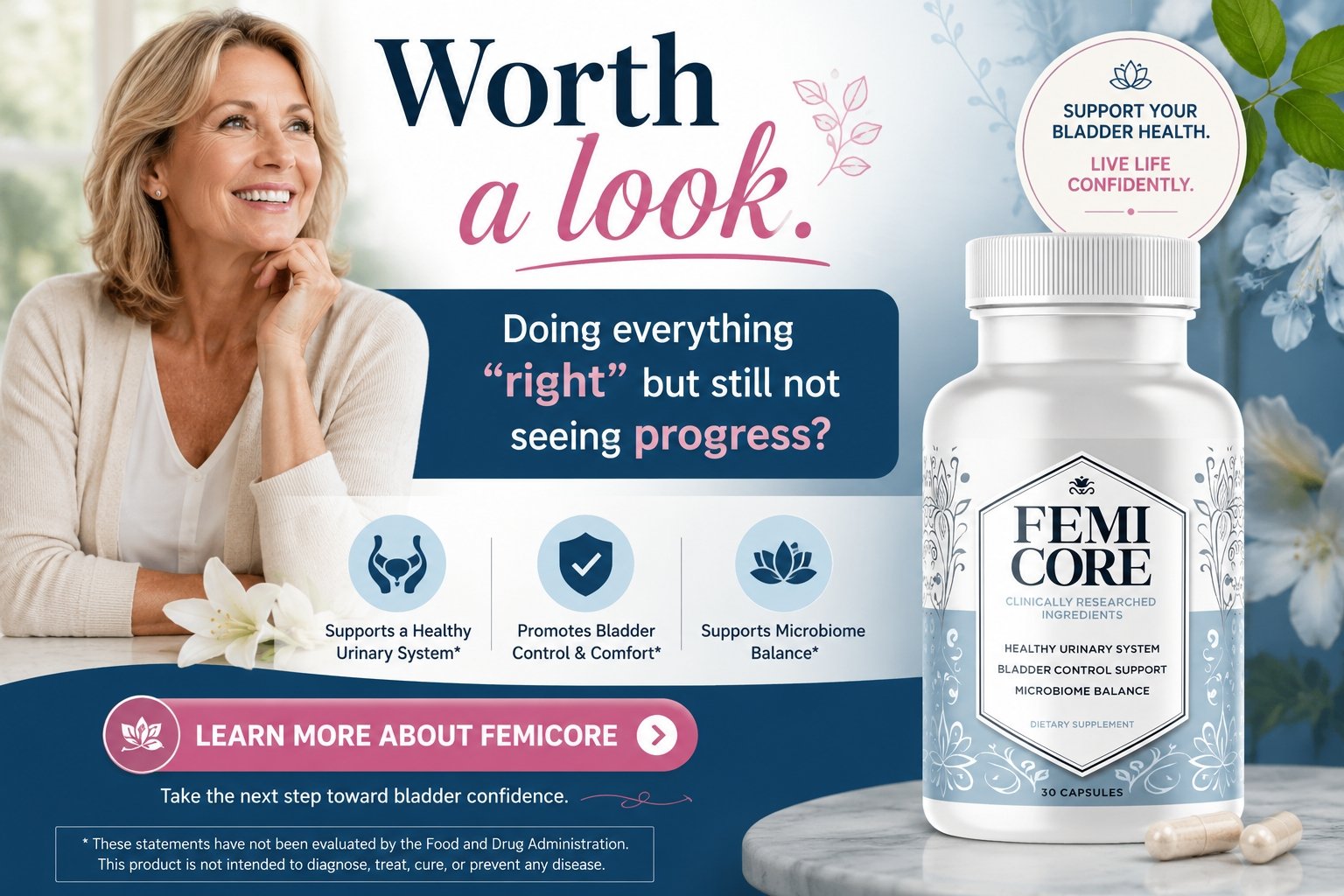
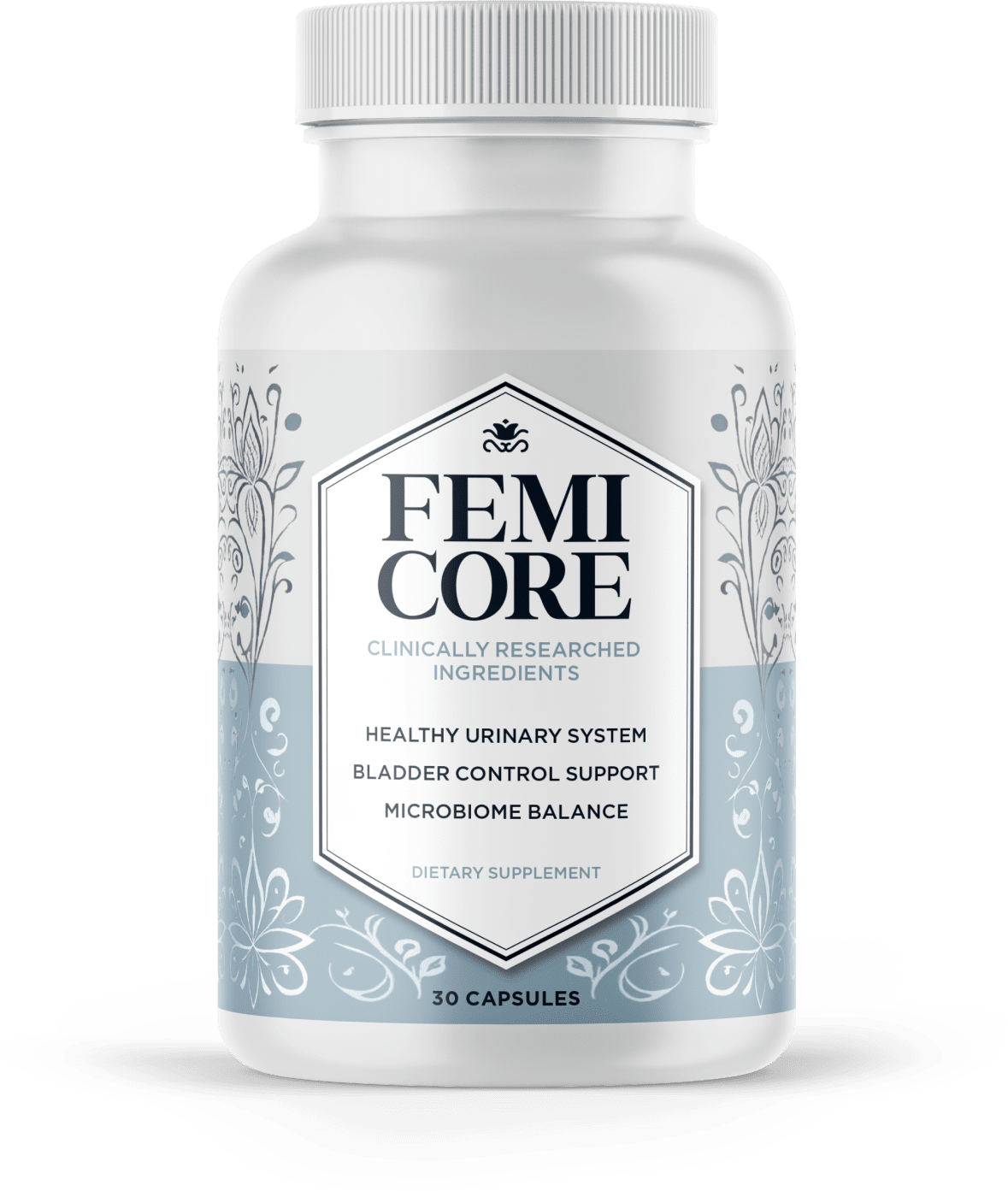
FemiCore is a dietary supplement formulated to support healthy bladder function, urinary system wellness, and pelvic health as part of a healthy lifestyle.
Learn More About FemiCore →Results vary. FemiCore is a dietary supplement and is not intended to diagnose, treat, cure, or prevent any disease.
Why Age Matters—But Isn’t the Whole Story
One of the biggest misconceptions about urinary incontinence is that it happens only because you’re getting older. Age does play a role, but it isn’t the whole picture. Instead, bladder control is influenced by a combination of factors, including:
- Hormonal changes during perimenopause and menopause
- Pelvic floor muscle health
- Pregnancy and childbirth history
- Body weight
- Lifestyle habits
- Chronic medical conditions
- Certain medications
- Bladder sensitivity
- Overall muscle strength and connective tissue health
Think of your bladder as part of a larger support system. When several pieces of that system change over time, maintaining bladder control can become more challenging — even if you’ve never had problems before. Understanding these changes is the first step toward making informed decisions about your bladder health.
Hidden Reason #1 — Hormonal Changes Can Affect Bladder Control
One of the most significant changes women experience after 40 is the gradual shift in hormone levels associated with perimenopause and menopause. Estrogen isn’t only important for reproductive health — it also helps maintain healthy tissues throughout the urinary tract. As estrogen levels naturally decline, several changes may occur:
- Thinning of tissues around the urethra
- Reduced elasticity of pelvic tissues
- Less support for the bladder
- Increased bladder sensitivity
- Changes in the vaginal and urinary microbiome
These changes may contribute to increased urinary urgency, more frequent nighttime urination, mild urine leakage, greater susceptibility to urinary tract infections, and reduced bladder control during physical activity.
While hormonal changes are completely normal, they don’t automatically mean bladder leaks are unavoidable. Many women find that combining healthy lifestyle practices with guidance from their healthcare provider can significantly improve day-to-day comfort and confidence.
The Connection Between Menopause and the Pelvic Floor
Hormonal changes don’t occur in isolation. The pelvic floor muscles — responsible for supporting the bladder, uterus, and bowel — also undergo changes with age. These muscles naturally lose some strength and flexibility over time, just like the muscles in your arms or legs.
If you’ve also experienced pregnancy, childbirth, weight fluctuations, or years of physically demanding work, those effects can accumulate. The result? The bladder may receive less support than it once did, making leaks more likely during activities that increase pressure inside the abdomen. This is why many women notice leakage when they laugh, sneeze, cough, exercise, lift heavy objects, jump, or run.
This pattern is commonly associated with stress urinary incontinence, one of the most common forms of urinary leakage in women over 40.
Hidden Reason #2 — Your Pelvic Floor May Need More Than Kegel Exercises
Ask almost anyone how to improve bladder leaks, and you’ll probably hear the same answer: “Do Kegels.” Pelvic floor exercises can absolutely be beneficial — but they’re not a cure-all. In fact, many women spend months doing Kegel exercises without seeing meaningful improvement.
Why? Because bladder control depends on much more than muscle strength alone. Some women perform Kegels incorrectly. Others have pelvic floor muscles that are overly tight rather than weak. Still others have bladder leaks caused by hormonal changes, nerve function, bladder irritation, or other underlying factors that Kegels alone cannot address.
This is why healthcare professionals often recommend a comprehensive evaluation for persistent urinary leakage instead of assuming every woman needs the same exercise program. A pelvic floor physical therapist can assess whether your muscles need strengthening, relaxation, coordination training, or a combination of approaches tailored to your individual needs.
Everyday Habits Matter More Than Many Women Realize
Bladder health isn’t determined by one exercise or one product. It’s influenced by your overall lifestyle. Healthy habits that support bladder function include:
- Staying physically active
- Maintaining a healthy weight
- Drinking adequate water
- Eating enough dietary fiber
- Avoiding smoking
- Managing chronic constipation
- Practicing good bathroom habits
- Following your healthcare provider’s recommendations
When combined, these habits may help reduce strain on the bladder and pelvic floor while supporting overall urinary health.
If you’ve been searching online for the best urine leakage products, bladder control products, a urinary leakage solution, what to use for bladder leaks, or the best incontinence pads for women, you’ve probably realized that many options focus on managing leaks rather than supporting bladder wellness.
That’s one reason many women are taking a broader approach. Along with healthy lifestyle changes, FemiCore is designed to support bladder and urinary system health with carefully selected ingredients intended to complement your daily wellness routine. Rather than simply covering up symptoms, it may be a helpful addition for women who want to support their bladder health proactively.
Visit the Official FemiCore Page →Hidden Reason #3 — Your Bladder Changes as You Age
Just as your skin, muscles, and joints change over time, so does your bladder. As women age, the bladder may gradually become less elastic, more sensitive, unable to hold as much urine, and more likely to contract unexpectedly.
This doesn’t happen overnight. Instead, many women notice subtle changes over several years. You might find yourself going to the bathroom more frequently, waking several times during the night, feeling sudden urges to urinate, or experiencing leaks before reaching the restroom.
Healthcare professionals often refer to this as urge urinary incontinence or overactive bladder. Unlike stress urinary incontinence — which happens during coughing or sneezing — urge incontinence is caused by involuntary bladder contractions. Fortunately, there are several evidence-based ways to help manage these symptoms.
Bladder Training Can Help
Bladder training involves gradually increasing the amount of time between bathroom visits. Over time, this may help your bladder hold more urine comfortably and reduce feelings of urgency. Simple strategies include:
- Scheduling bathroom visits
- Delaying urination by a few minutes when possible
- Practicing relaxation breathing
- Avoiding “just in case” bathroom trips
Many women notice gradual improvement when they remain consistent.
Hidden Reason #4 — Extra Weight Places More Pressure on the Bladder
Even modest weight gain can increase pressure inside the abdomen. That pressure is transferred directly onto the bladder and pelvic floor. Imagine carrying a heavy backpack all day — eventually, the muscles supporting that weight become tired. A similar process can occur inside the pelvis.
Research has consistently shown that excess body weight is associated with an increased risk of stress urinary incontinence. The encouraging news? Even modest weight loss has been linked with improvements in bladder leakage for many women. That doesn’t mean chasing unrealistic goals — sometimes losing just 5–10% of body weight can reduce pressure on the bladder enough to improve symptoms.
Healthy Weight Loss Supports More Than Your Bladder
Maintaining a healthy weight may also help improve mobility, reduce joint pain, improve sleep quality, lower blood pressure, support better blood sugar control, and increase energy levels. Small, sustainable lifestyle changes often produce better long-term results than restrictive diets.
Many women start by purchasing adult incontinence pads, bladder leak protection pads, or overnight bladder leak protection products. While these products can provide valuable confidence throughout the day, many women also want to support the health of their bladder — not simply manage the symptoms.
That’s where FemiCore may fit into your overall wellness routine. Combined with healthy eating, regular activity, proper hydration, and pelvic floor care, FemiCore is designed to support healthy urinary function and bladder wellness using carefully selected ingredients.
Learn More About FemiCore →Results vary. FemiCore is a dietary supplement and should not replace medical advice or treatment.
Hidden Reason #5 — Chronic Constipation May Be Making Bladder Leaks Worse
Most people don’t associate constipation with urinary incontinence. But healthcare professionals frequently see these two conditions together. Why? Because the bowel and bladder share limited space within the pelvis. When the rectum becomes filled with hard stool, it places additional pressure on the bladder.
This pressure can reduce bladder capacity, increase urgency, trigger more frequent leaks, and make pelvic floor muscles work harder. Women experiencing constipation often notice improvement in bladder symptoms after improving bowel health.
Tips for Better Digestive Health
- Eating more fiber-rich foods
- Drinking enough water throughout the day
- Walking regularly
- Limiting highly processed foods
- Responding promptly to the urge to have a bowel movement
These habits support both digestive health and bladder function.
Hidden Reason #6 — Everyday Habits Could Be Irritating Your Bladder
Sometimes bladder leaks have less to do with aging and more to do with daily routines. Certain foods and beverages may irritate the bladder in some people. Common bladder irritants include:
- Coffee
- Strong tea
- Energy drinks
- Alcohol
- Carbonated beverages
- Artificial sweeteners
- Spicy foods
- Citrus juices
- Tomato products
Not everyone reacts to these foods. Keeping a simple bladder diary for one or two weeks can help identify your personal triggers.
Don’t Make This Common Mistake
Many women intentionally drink less water because they’re afraid of leaking. Unfortunately, concentrated urine can irritate the bladder lining, making urgency even worse. Proper hydration is actually an important part of maintaining healthy bladder function. Instead of drinking less, aim to sip water consistently throughout the day, reduce fluids a few hours before bedtime if nighttime trips are a concern, and limit beverages that seem to trigger symptoms.
Build Healthy Bladder Habits One Step at a Time
Many women feel overwhelmed after years of dealing with bladder leaks. The good news is that lasting improvements often come from combining several small habits rather than searching for a single “magic fix.” Consider building a daily routine that includes:
✔ Regular Physical Activity — Low-impact exercises such as walking, swimming, cycling, yoga, and Pilates can help improve overall health without placing excessive strain on the pelvic floor.
✔ Eat a Balanced Diet — Focus on vegetables, fruits, whole grains, lean protein, and healthy fats. These foods support healthy weight management, digestion, and overall wellness.
✔ Practice Healthy Bathroom Habits — Avoid “just in case” bathroom trips, straining during bowel movements, and delaying urination for long periods. Healthy bladder habits help your bladder maintain its natural rhythm.
If you’ve reached the point where you’re constantly searching for urinary leakage solutions, bladder control products, stress urinary incontinence products, best urine leakage products, or what to use for bladder leaks — remember that managing bladder health often involves more than one strategy.
Healthy lifestyle changes remain the foundation, but many women also choose to complement those habits with targeted nutritional support. FemiCore was developed for women who want to support healthy bladder function, urinary system wellness, and pelvic health as part of their everyday routine. Rather than simply masking leaks with female incontinence pads or adult pee leak protection, FemiCore is designed to complement your overall wellness efforts.
Discover Whether FemiCore Is Right for You →Additional Natural Ways to Support Bladder Health After 40
No single habit will eliminate bladder leaks for everyone. However, combining several healthy practices often produces better long-term results than relying on just one strategy.
1. Stay Consistent With Pelvic Floor Exercises
Kegel exercises can be beneficial — but only when they’re performed correctly, appropriate for your specific condition, and done consistently. If you’ve been doing Kegels for months without improvement, ask your healthcare provider whether you could benefit from an evaluation by a pelvic floor physical therapist. Sometimes the issue isn’t muscle weakness but muscle coordination, tightness, or another underlying condition.
2. Don’t Ignore Your Hydration
It may seem logical to drink less water if you’re worried about bladder leaks. Ironically, that often backfires. Concentrated urine can irritate the bladder lining, increasing urgency and frequency. Aim for steady hydration throughout the day unless your healthcare provider recommends otherwise.
3. Maintain a Healthy Weight
Even a modest reduction in body weight may decrease pressure on the bladder and pelvic floor. Focus on sustainable habits instead of crash diets: balanced meals, daily walking, resistance training, adequate sleep, and stress management. Healthy lifestyle habits support your entire body — not just your bladder.
4. Review Your Medications
Some medications can contribute to bladder symptoms, including diuretics, certain antidepressants, muscle relaxants, and sedatives. Never stop prescription medication without medical advice. If you suspect a medication is contributing to leakage, speak with your healthcare provider about possible alternatives.
5. Don’t Be Embarrassed to Ask for Help
One of the biggest barriers to treatment is embarrassment. Many women quietly purchase female incontinence pads, adult incontinence pads, bladder leak protection pads, disposable incontinence pads, and leak-proof underwear. While these products can provide valuable confidence, they shouldn’t prevent you from discussing persistent symptoms with your healthcare provider. Bladder leaks are extremely common — and healthcare professionals treat them every day.
If you’ve been relying on urinary incontinence products, bladder leak pads, or adult pee leak protection just to get through the day, remember that symptom management is only one part of the picture.
Many women find it helpful to combine healthy nutrition, regular physical activity, pelvic floor exercises (when appropriate), good hydration, medical guidance, and targeted nutritional support. FemiCore was created to support healthy urinary system function and bladder wellness as part of a balanced lifestyle. It may be a valuable addition to your daily routine if you’re looking to support your bladder health from the inside out.
Discover FemiCore Today →Results vary. Dietary supplements are not intended to diagnose, treat, cure, or prevent any disease.
When Should You See a Healthcare Professional?
Although occasional bladder leaks are common, certain symptoms should never be ignored. Schedule a medical evaluation if you experience:
- Blood in your urine
- Pain or burning while urinating
- Frequent urinary tract infections
- Difficulty emptying your bladder
- Sudden or severe changes in bladder control
- Pelvic pain or pressure
- Leakage that interferes with daily activities
- New bladder symptoms after starting a medication
Getting an accurate diagnosis is important because urinary incontinence can have many different causes, and treatment should be tailored to your specific situation.
Frequently Asked Questions
Is urinary incontinence a normal part of aging?
No. Although bladder leaks become more common with age, they should not be viewed as something you simply have to accept. Many effective management strategies are available.
Can bladder leaks improve naturally?
Depending on the cause, some women experience significant improvement through weight management, pelvic floor therapy, bladder training, healthy eating, managing constipation, reducing bladder irritants, and following their healthcare provider’s recommendations.
Do bladder leak pads fix urinary incontinence?
No. Products such as female incontinence pads, bladder leak pads, and adult incontinence pads are designed to help manage symptoms. They provide protection and confidence but don’t address the underlying causes of bladder leaks.
Are Kegel exercises enough?
Not always. Kegels can be effective for certain women, particularly those with stress urinary incontinence. However, some women need additional therapies or different treatment approaches depending on the underlying cause.
What’s the best urinary leakage solution?
There isn’t one universal solution. The best approach depends on the type and cause of urinary incontinence. Many women benefit from a combination of healthy lifestyle habits, pelvic floor therapy, medical guidance, and, if appropriate, supportive nutritional products.
Final Thoughts
If you’ve noticed bladder leaks becoming more frequent after turning 40, you’re certainly not alone — and you’re not out of options. The changes that come with aging, menopause, childbirth, and everyday life can all influence bladder control, but they don’t define your future.
The first step is understanding that bladder leaks are often the result of multiple factors working together — not simply weak muscles or “getting older.” By making small, consistent lifestyle improvements, working with your healthcare provider, and taking a proactive approach to bladder wellness, many women are able to reduce symptoms, improve confidence, and enjoy a more active lifestyle.
If you’ve already tried pads, protective underwear, or bladder control products without finding the improvement you hoped for, it may be time to broaden your approach. Supporting your bladder health from the inside out — through healthy habits and appropriate nutritional support — may help you feel more in control of your daily life.
Remember, every woman’s journey is different. The goal isn’t perfection; it’s finding a sustainable plan that helps you stay active, comfortable, and confident.