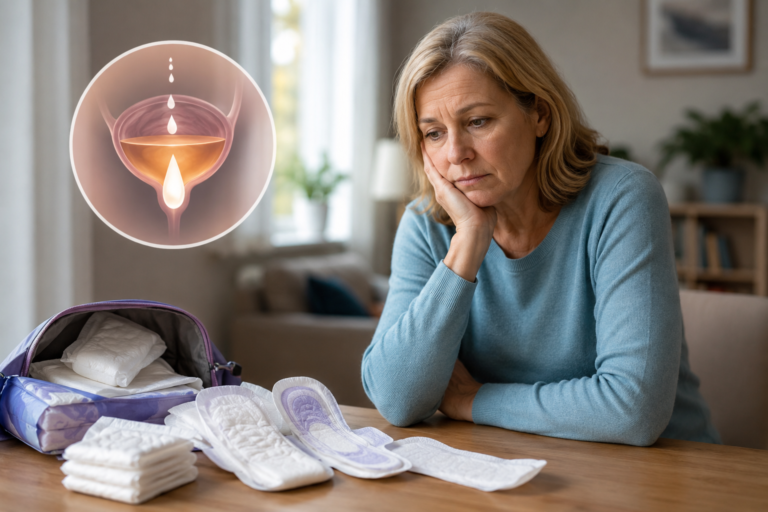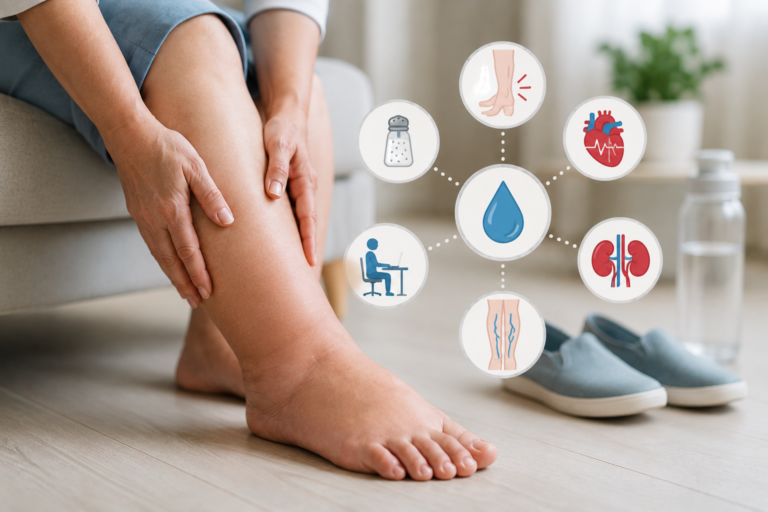

You faithfully squeeze and hold. You downloaded the pelvic floor exercise app. You’ve been told to “just keep doing your Kegels.” Yet every time you laugh, sneeze, cough, lift groceries, or hurry to the bathroom, you’re still worried about another embarrassing leak.
If this sounds familiar, you’re not alone. Millions of women over 40 experience urinary incontinence, ranging from occasional bladder leaks to more frequent accidents that affect confidence, social activities, exercise, travel, and even sleep.
For many women, the first line of advice is simple: “Do Kegel exercises.” While Kegels can be helpful for some people, they’re not a universal solution. In fact, if you’re doing the wrong type of exercise, performing them incorrectly, or your bladder leaks are caused by something other than weak pelvic floor muscles, you may notice little or no improvement.
That’s why so many women eventually find themselves relying on:
- Urinary incontinence products
- Female incontinence pads
- Adult incontinence pads
- Bladder leak pads
- Disposable incontinence pads
- Leak-proof underwear
- Overnight bladder leak protection
These products can certainly make daily life more manageable, but they often address the symptom rather than helping you understand why the leaks are happening in the first place.
In this article, we’ll explore nine hidden causes of persistent bladder leaks, explain why Kegels don’t always work, and discuss practical strategies that may help you support long-term bladder health.
Tired of managing symptoms instead of the cause?
Before we get into the nine hidden causes, it’s worth knowing there’s an option beyond pads and pelvic floor exercises alone — one designed to support bladder wellness from the inside.
Discover FemiCore →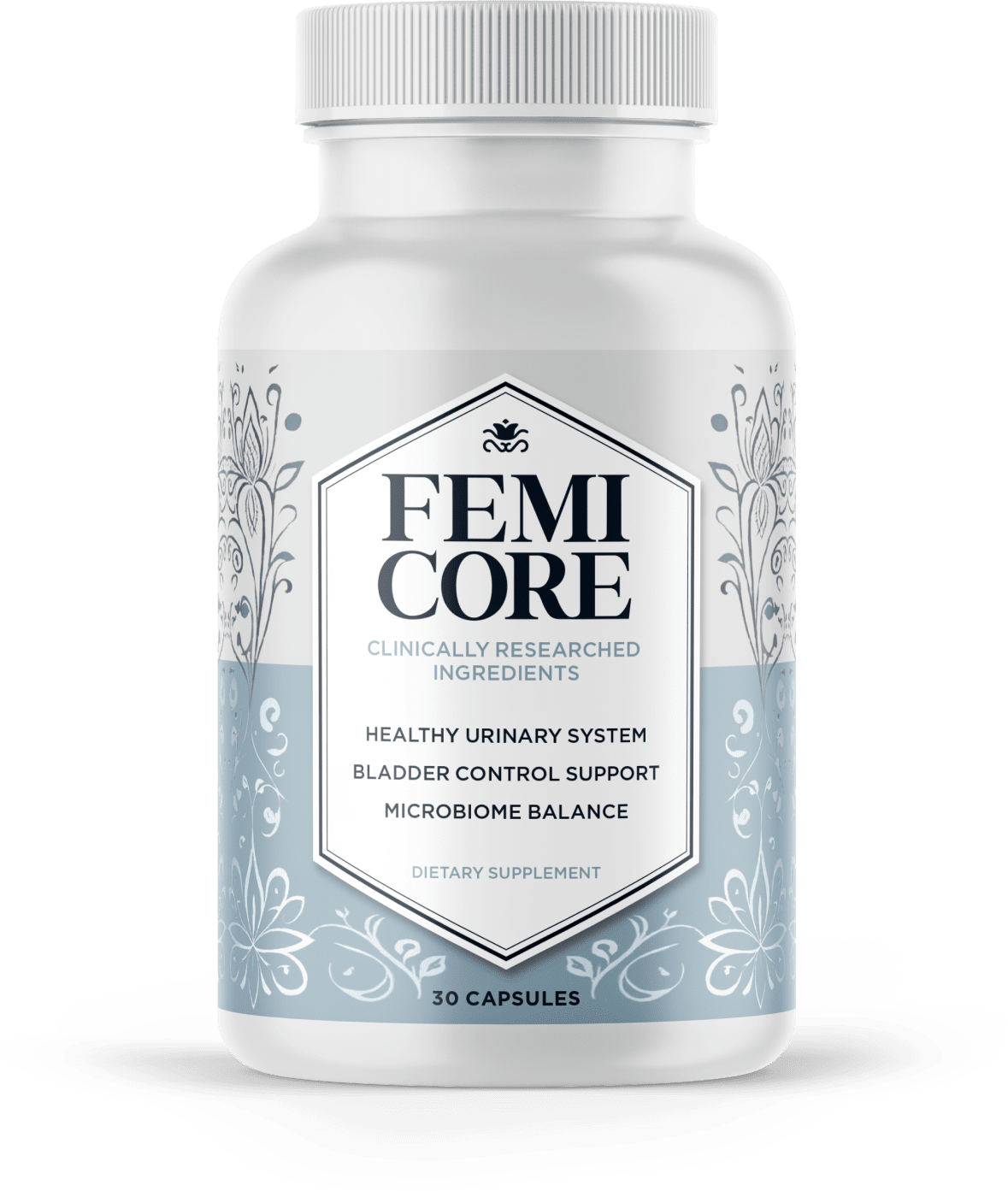
- Why Kegels Don’t Always Solve Bladder Leaks
- Hidden Cause #1 – Doing Kegels Incorrectly
- Hidden Cause #2 – Pelvic Floor Too Tight
- Hidden Cause #3 – Hormonal Changes After 40
- Hidden Cause #4 – Chronic Constipation
- Hidden Cause #5 – An Overly Sensitive Bladder
- Hidden Cause #6 – Bladder-Irritating Habits
- Hidden Cause #7 – Pregnancy and Childbirth
- Hidden Cause #8 – Certain Medications
- Hidden Cause #9 – An Underlying Condition
- Healthy Habits That Support Bladder Control
- Frequently Asked Questions
- Final Thoughts
The Biggest Myth About Kegels
Kegel exercises strengthen the pelvic floor muscles that help support the bladder, uterus, and bowel. They’re often recommended for women experiencing stress urinary incontinence — the type of leakage that occurs during coughing, sneezing, laughing, or exercise.
But here’s what many people aren’t told: not every bladder leak is caused by weak pelvic floor muscles. Different types of urinary incontinence have different causes, for example:
- Stress urinary incontinence
- Urge urinary incontinence
- Mixed urinary incontinence
- Overflow incontinence
- Functional incontinence
Each may require a different management approach. This helps explain why one woman may see improvement after several weeks of pelvic floor exercises while another notices little difference. Understanding the underlying cause is often the first step toward finding an approach that works.
Hidden Cause #1 — You May Not Be Doing Kegels Correctly
It sounds simple: tighten your pelvic floor muscles, hold, and release. In reality, many women unknowingly contract the wrong muscles. Instead of engaging the pelvic floor, they may tighten their abdomen, buttocks, or inner thighs. Others hold their breath while exercising, which can reduce the effectiveness of the movement.
Because the pelvic floor muscles are hidden from view, it can be difficult to know whether you’re performing the exercises correctly without guidance from a qualified healthcare professional or pelvic floor physical therapist. If you’ve been doing Kegels for months without improvement, improper technique could be one reason.
If you’ve already tried Kegels, bladder leak pads, or adult incontinence pads but still experience accidental leaks, it may be time to explore a broader approach to bladder wellness.
Discover FemiCore →Hidden Cause #2 — Your Pelvic Floor May Actually Be Too Tight
This surprises many people. Weak muscles aren’t the only problem. Sometimes the pelvic floor muscles become overly tight or fail to relax properly. When muscles remain constantly tense, they may not function as effectively as healthy muscles that can both contract and relax.
This may contribute to symptoms such as:
- Pelvic discomfort
- Difficulty emptying the bladder completely
- Frequent urges to urinate
- Bladder pressure
- Leakage in some individuals
In these situations, performing even more strengthening exercises without addressing muscle tension may not solve the problem. A pelvic floor physical therapist can help determine whether weakness, tightness, or a combination of both is contributing to your symptoms.
Hidden Cause #3 — Hormonal Changes After 40
As women approach menopause and move through the menopausal transition, estrogen levels naturally decline. Estrogen helps support the health of tissues in the urinary tract and pelvic region. Lower estrogen levels may contribute to changes that affect bladder function, including:
- Reduced tissue elasticity
- Thinner tissues around the urethra
- Increased bladder sensitivity
- More frequent urinary urgency
- Reduced support for pelvic organs
These normal age-related changes can make bladder leaks more noticeable — even in women who have never experienced incontinence before. The good news is that understanding these changes allows you to discuss appropriate treatment options with your healthcare provider. Depending on your circumstances, recommendations may include pelvic floor therapy, lifestyle adjustments, or other evidence-based interventions.
Hidden Cause #4 — Chronic Constipation Can Put Extra Pressure on Your Bladder
Constipation might not seem related to urinary incontinence, but the two conditions are more connected than many women realize. The rectum and bladder sit very close together within the pelvis. When stool remains in the colon for extended periods, it can place additional pressure on the bladder and surrounding pelvic structures.
This added pressure may increase the urge to urinate, reduce bladder capacity, make accidental urine leaks more likely, and increase pressure on weakened pelvic floor muscles. Women experiencing chronic constipation often notice that their bladder symptoms improve when bowel habits become more regular.
Common Causes of Constipation
- Not eating enough fiber
- Drinking too little water
- Lack of physical activity
- Certain medications
- Ignoring the urge to have a bowel movement
Supporting Healthy Bowel Function
- Eating more fruits and vegetables
- Including whole grains and legumes
- Drinking adequate fluids
- Walking regularly
- Responding promptly to the urge to use the bathroom
Improving bowel health won’t solve every case of urinary incontinence, but reducing unnecessary pressure on the bladder is an important part of overall pelvic health.
Hidden Cause #5 — Your Bladder May Have Become More Sensitive
Not every bladder leak occurs because the pelvic floor is weak. Some women experience what healthcare professionals call overactive bladder (OAB). With OAB, the bladder muscle contracts unexpectedly, creating a sudden, difficult-to-control urge to urinate — even when the bladder isn’t completely full. This can lead to urge urinary incontinence, where leakage occurs before reaching the toilet.
Common Symptoms Include
- Frequent urination during the day
- Waking several times at night to urinate
- Sudden, intense urges to urinate
- Leakage before reaching the bathroom
Unlike stress urinary incontinence, which often occurs during coughing or exercise, urge incontinence is driven by involuntary bladder contractions. Management strategies may include bladder training, pelvic floor therapy, lifestyle changes, and, in some cases, medications prescribed by a healthcare professional. Understanding which type of incontinence you have is essential because different causes often require different approaches.
Many women start by using bladder leak pads, adult incontinence pads, or discreet bladder leak protection products because they provide immediate confidence and convenience. While these products can be extremely helpful for managing symptoms, they don’t address why leaks may be occurring.
If you’re interested in supporting your bladder health from the inside out, you may also want to learn about FemiCore.
Learn More About FemiCore →Dietary supplements are not intended to diagnose, treat, cure, or prevent any disease. Results vary from person to person.
Hidden Cause #6 — Everyday Habits Could Be Irritating Your Bladder
Sometimes, the problem isn’t your bladder itself — it’s what comes into contact with it every day. Certain foods, drinks, and lifestyle habits may irritate the bladder in some people, increasing urgency and making leakage episodes more frequent. Not everyone reacts the same way, but common bladder irritants include:
- Coffee
- Tea
- Energy drinks
- Carbonated beverages
- Alcohol
- Artificial sweeteners
- Spicy foods
- Citrus fruits and juices
- Tomato-based products
This doesn’t mean everyone needs to eliminate these foods permanently. Instead, keeping a simple bladder diary for one or two weeks may help identify patterns between certain foods and worsening symptoms.
Lifestyle Habits That May Contribute
Drinking Too Little Water — Some women intentionally drink less to avoid bathroom trips. Ironically, concentrated urine may irritate the bladder lining and increase urgency.
Waiting Too Long to Urinate — Frequently delaying bathroom visits can train the bladder to stretch beyond its normal capacity.
Smoking — Chronic coughing associated with smoking repeatedly increases pressure on the pelvic floor, while smoking itself is associated with several bladder health concerns.
Excess Weight — Carrying additional body weight places continuous pressure on the bladder and pelvic floor muscles. Even modest weight loss — when appropriate — has been associated with improvements in urinary incontinence symptoms for some women.
Healthy Daily Habits That May Support Better Bladder Control
While every woman’s situation is unique, these healthy habits may help support bladder function and overall pelvic health.
Stay Physically Active
Regular movement supports circulation, bowel function, and healthy weight management. Low-impact activities include walking, swimming, cycling, yoga, Pilates, and water aerobics.
Eat a Fiber-Rich Diet
A balanced diet that includes plenty of fiber may reduce constipation and help minimize extra pressure on the bladder. Good sources include vegetables, fruits, beans, lentils, oats, and whole grains.
Maintain a Healthy Weight
Research has shown that excess body weight can increase pressure on the pelvic floor. Even moderate weight loss may improve symptoms for some women experiencing stress urinary incontinence.
Practice Bladder Training
Bladder training involves gradually increasing the time between bathroom visits to help improve bladder control. This technique is often recommended by healthcare professionals for women with overactive bladder.
When Should You See a Healthcare Professional?
Occasional urine leakage may not always signal a serious problem, but persistent or worsening symptoms deserve medical evaluation. Speak with your healthcare provider if you experience:
- Frequent bladder leaks that interfere with daily life
- Pain or burning during urination
- Blood in your urine
- Recurrent urinary tract infections
- Difficulty emptying your bladder
- Sudden changes in bladder control
- Pelvic pain or pressure
- Leakage that continues despite consistent pelvic floor exercises
A healthcare professional can help identify the type of urinary incontinence you’re experiencing and recommend appropriate treatment options based on the underlying cause.
Hidden Cause #7 — Pregnancy and Childbirth Can Have Lasting Effects
For many women, bladder leaks begin during pregnancy — but for others, they don’t appear until months or even years after giving birth. Pregnancy and childbirth place tremendous stress on the muscles, ligaments, nerves, and connective tissues that support the bladder and pelvic organs. Even women who had healthy pregnancies or uncomplicated deliveries can experience lasting changes.
Factors that may contribute include stretching of the pelvic floor muscles during pregnancy, vaginal delivery, prolonged labor, delivering a larger baby, multiple pregnancies, and instrument-assisted delivery (such as forceps or vacuum extraction).
These changes don’t necessarily mean bladder leaks are permanent. However, they may explain why Kegel exercises alone aren’t always enough. Depending on the severity of the symptoms, a healthcare professional may recommend pelvic floor physical therapy, bladder training, lifestyle modifications, weight management, or other evidence-based treatment options.
The important takeaway is this: post-pregnancy bladder leaks are common — but they shouldn’t simply be accepted as “part of being a mom.” Help is available.
Hidden Cause #8 — Certain Medications May Be Affecting Your Bladder
Sometimes the problem isn’t your bladder itself — it’s a medication you’re taking for another condition. Several types of medications can influence bladder function or increase urine production, including diuretics (“water pills”), certain blood pressure medications, some antidepressants, sedatives, muscle relaxants, and certain diabetes medications.
These medications should never be stopped without medical advice. However, if bladder leaks began after starting a new prescription, it’s worth discussing the timing with your healthcare provider. In some cases, a dosage adjustment or an alternative medication may be appropriate.
Hidden Cause #9 — An Underlying Medical Condition May Be Contributing
Persistent bladder leaks can sometimes be a symptom of an underlying medical condition rather than simply a pelvic floor problem. Conditions that may contribute include urinary tract infections (UTIs), diabetes, neurological disorders (such as multiple sclerosis or Parkinson’s disease), pelvic organ prolapse, bladder stones, chronic constipation, and certain gynecological conditions.
Because there are many possible causes of urinary incontinence, it’s important not to self-diagnose. If your symptoms are frequent, worsening, or affecting your quality of life, seek a proper medical evaluation. Identifying the underlying cause is often the key to choosing the most effective treatment.
Frequently Asked Questions
Why do I still leak urine even though I do Kegels every day?
Kegels can be beneficial for some types of urinary incontinence, particularly stress urinary incontinence. However, they may be less effective if you’re performing them incorrectly, if your pelvic floor muscles are overly tight rather than weak, or if your symptoms are related to another condition such as overactive bladder or hormonal changes.
Can bladder leaks improve naturally?
In some cases, bladder control may improve with lifestyle changes, pelvic floor therapy, weight management, and treatment of underlying conditions. The best approach depends on the cause of your symptoms.
Are bladder leak pads enough?
Products such as female incontinence pads, adult incontinence pads, and bladder leak protection pads can provide valuable day-to-day protection and confidence. However, if you’re relying on them long-term, it’s also worth exploring why the leaks are occurring and discussing treatment options with your healthcare provider.
Are Kegels bad for everyone?
No. When recommended appropriately and performed correctly, Kegels can be an effective part of treatment for many women. However, they aren’t appropriate for every situation. Some women may benefit more from relaxation techniques or specialized pelvic floor therapy instead of additional strengthening exercises.
When should I see a doctor?
You should seek medical advice if bladder leaks are becoming more frequent, symptoms interfere with work, exercise, or social activities, you notice blood in your urine, urination is painful, you experience recurrent urinary tract infections, leakage begins suddenly, or you feel a bulge or heaviness in your pelvis. Early evaluation may help identify treatable causes before symptoms become more severe.
Looking Beyond Symptom Management
If you’ve reached the point where you’re constantly searching for the best urine leakage products, bladder control products, adult pee leak protection, the best incontinence pads for women, or what to use for bladder leaks — you’re certainly not alone.
Many women begin with pads, protective underwear, or absorbent products because they provide immediate reassurance. These products have an important role in managing symptoms, especially during travel, work, or overnight.
At the same time, many women also want to take a broader approach by supporting their bladder health alongside healthy daily habits such as pelvic floor exercises (when appropriate), maintaining a healthy weight, staying hydrated, and working with their healthcare provider.
Some also choose to include supplements as part of their wellness routine. One option is FemiCore, a dietary supplement formulated with ingredients intended to support bladder and pelvic wellness. While no supplement can guarantee results or replace professional medical care, many women appreciate having an option that fits alongside other healthy lifestyle practices rather than relying solely on absorbent products.
If you’re interested in learning more, explore FemiCore
Learn More About FemiCore →Always consult your healthcare provider before starting any new supplement, especially if you have a medical condition, are pregnant or breastfeeding, or take prescription medications.
Final Thoughts
Bladder leaks can be frustrating, embarrassing, and emotionally exhausting — especially when you’ve been doing everything you were told should help.
The reality is that urinary incontinence is rarely caused by a single factor. Pelvic floor strength is important, but so are hormonal changes, bladder sensitivity, bowel health, body weight, medications, childbirth history, and overall pelvic wellness.
Understanding these hidden contributors can help you move beyond simply managing symptoms and toward finding an approach that’s better suited to your individual needs. Remember, you don’t have to accept bladder leaks as an inevitable part of getting older. With the right diagnosis, healthy lifestyle habits, appropriate medical guidance, and a personalized management plan, many women are able to improve bladder control and regain confidence in their daily lives.