
For millions of people, the day doesn’t truly begin until that first sip of coffee. Whether it’s the rich aroma, the comforting warmth, or the burst of alertness, coffee has become one of the world’s most popular beverages. But beyond helping you wake up, you’ve probably heard claims like:
- “Coffee boosts your metabolism.”
- “Coffee helps you burn fat.”
- “Drinking coffee can help you lose weight.”
So, is there any truth behind these statements?
The answer is yes—but with some important caveats.
Research suggests that coffee, primarily because of its caffeine content, can modestly increase energy expenditure and fat oxidation for some people. However, these effects are generally modest, vary widely between individuals, and are not a substitute for healthy eating, regular physical activity, and other sustainable lifestyle habits.
Already a coffee drinker? You’re closer to a healthy routine than you think
Once you understand what your morning cup can — and can’t — do for your metabolism, it’s easier to build a routine that actually works.
See how Java Burn fits in- What Is Metabolism?
- How Coffee Affects Your Body
- Does Coffee Really Boost Metabolism?
- Can Coffee Help Burn Fat?
- Why Coffee Isn’t a Magic Weight-Loss Solution
- Common Coffee Mistakes
- Frequently Asked Questions
- Final Thoughts
What Is Metabolism?
Metabolism refers to the thousands of chemical processes that keep your body functioning every second of every day. Your metabolism powers essential activities such as breathing, circulation, digestion, muscle repair, hormone production, brain function, and body temperature regulation.
Even while sleeping, your body continues burning calories simply to stay alive — this is known as your Basal Metabolic Rate (BMR). Many factors influence metabolism, including age, sex, genetics, body size, muscle mass, physical activity, hormones, and overall health.
Because so many factors are involved, there isn’t a single food or beverage that dramatically changes metabolism on its own.
Why Coffee Has Become Associated With Weight Loss
Coffee naturally contains caffeine, one of the world’s most widely consumed stimulants. Caffeine affects the central nervous system by increasing alertness and temporarily reducing feelings of fatigue.
Researchers have also found that caffeine may increase energy expenditure slightly, stimulate the nervous system, promote fat oxidation under certain conditions, and improve exercise performance for some people. These effects explain why coffee is frequently included in discussions about metabolism and weight management.
How Coffee Affects Metabolism
Several studies suggest that caffeine can temporarily increase the number of calories your body burns. This happens because caffeine stimulates the release of certain hormones, including adrenaline, which prepares the body for increased activity. As a result, your body may temporarily use slightly more energy than it would otherwise.
However, it’s important to keep these findings in perspective. For most people, the increase in calorie burning is modest, not dramatic. The effect usually decreases with regular caffeine use as the body adapts, and individual responses vary considerably.
In other words, your morning coffee is unlikely to “melt fat away,” but it may provide a small boost to energy expenditure for some individuals.
Modest and temporary — but still worth understanding
Caffeine’s effect on metabolism is real, just not dramatic. Knowing that helps set the right expectations for anything you pair with your coffee routine.
Learn about Java BurnCan Coffee Help Burn Fat?
One of the most common claims is that coffee helps the body burn fat. There is some scientific basis for this idea. Caffeine may encourage the body to use stored fat for energy during certain activities, particularly exercise — a process researchers call fat oxidation.
Some studies have shown that caffeine may increase fat oxidation in certain individuals, especially during physical activity. However, several factors influence these effects, including fitness level, age, genetics, habitual caffeine intake, overall diet, and exercise habits. For people who drink coffee every day, the body’s response to caffeine often becomes less pronounced over time.
Coffee May Improve Exercise Performance
One indirect way coffee may support weight management is by making exercise feel easier or improving performance. Some people find that caffeine helps them feel more energized, exercise longer, perform higher-intensity workouts, and reduce perceived fatigue.
If coffee helps you stay consistent with physical activity, that may provide a greater long-term benefit than any small increase in metabolism alone.
Coffee Is Not a Magic Weight-Loss Solution
Despite its potential benefits, coffee alone won’t produce meaningful or lasting weight loss. Healthy weight management depends on many factors, including overall calorie intake, food quality, physical activity, sleep, stress management, muscle mass, and long-term consistency.
Coffee works best as one small part of a healthy lifestyle — not as a replacement for it.
Looking to get more from your morning coffee?
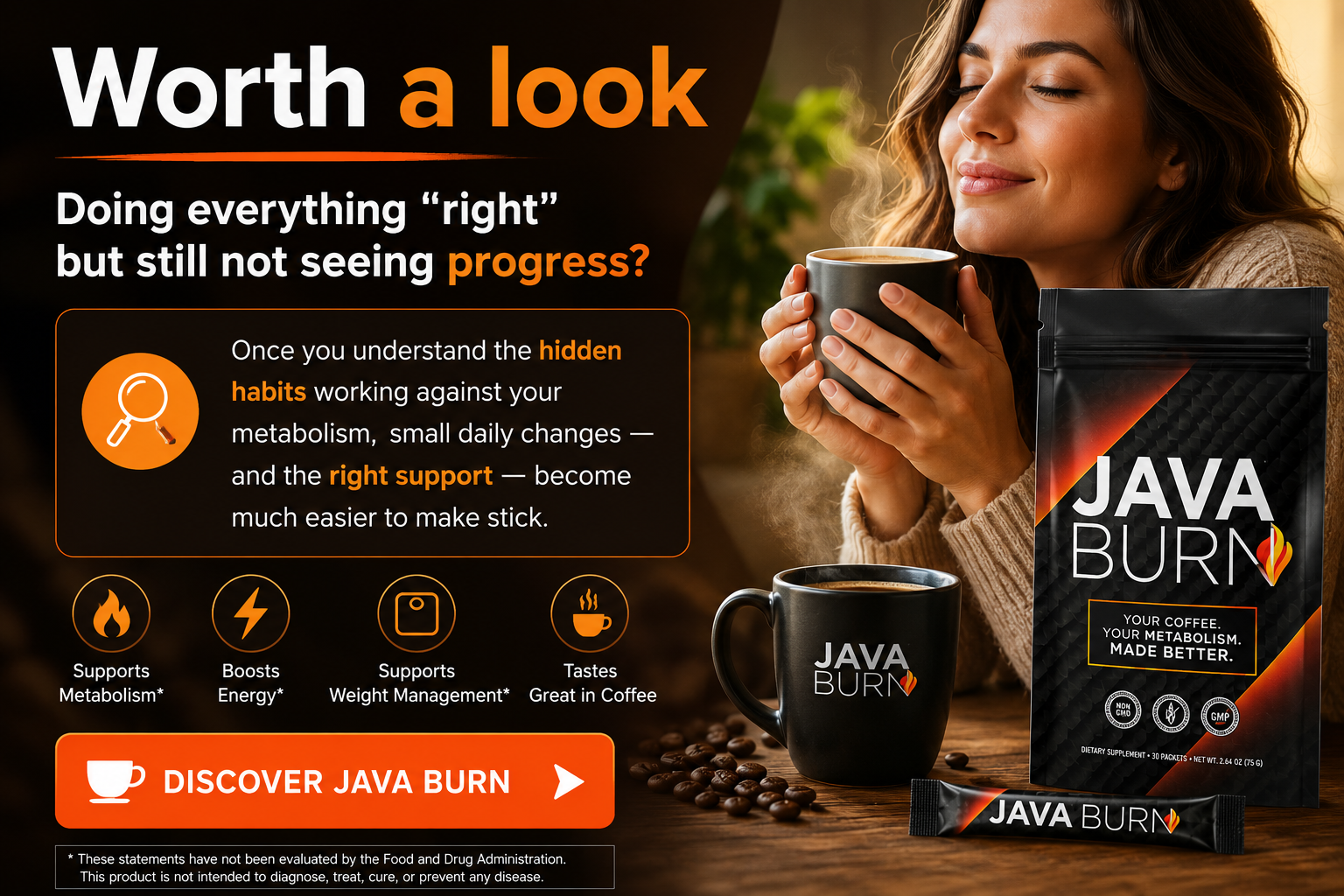
Java Burn is a coffee-based dietary supplement mixed directly into your daily cup. It contains ingredients like green tea extract, chlorogenic acid, chromium, L-carnitine, L-theanine, and B vitamins — ingredients commonly studied for their roles in energy metabolism and overall wellness.
See how Java Burn worksNo supplement can replace healthy nutrition and regular exercise. Individual results vary — talk to your healthcare provider before starting any new supplement.
Common Coffee Mistakes That May Sabotage Weight Loss
Ironically, the biggest obstacle isn’t usually the coffee itself — it’s what gets added to it. Many popular coffee drinks contain flavored syrups, whipped cream, sugar, chocolate sauces, sweetened creamers, and whole milk. Some specialty coffee beverages contain hundreds of calories, turning what could be a low-calorie drink into something closer to dessert.

Healthier Coffee Choices
If you’re trying to manage your weight, consider black coffee, coffee with a splash of milk, unsweetened almond milk, cinnamon for flavor, unsweetened cocoa powder, and reducing added sugars gradually. Small changes can significantly reduce unnecessary calorie intake over time.
Can Coffee Be Part of a Healthy Weight-Loss Routine?
Absolutely. For many people, coffee can fit comfortably into a healthy lifestyle when consumed in moderation. The greatest benefits come from combining it with a balanced eating pattern, regular physical activity, strength training, adequate protein intake, good sleep habits, and stress management.
Coffee should complement these habits — not replace them.
Building healthier routines takes consistency
If your morning coffee is already part of your day, you may find it easier to stick with your wellness goals by pairing that habit with something designed to fit naturally into the same routine. Java Burn is formulated to dissolve into coffee without changing its flavor.
See what’s inside Java BurnSupplements are most effective when combined with a nutritious diet, regular movement, and realistic expectations.

Frequently Asked Questions
Does coffee permanently boost metabolism?
No. Any increase in metabolism from caffeine is generally temporary and varies between individuals.
Is black coffee better for weight loss?
Black coffee contains very few calories. Adding large amounts of sugar, flavored syrups, or cream can substantially increase calorie intake.
How much coffee is considered moderate?
For most healthy adults, up to 400 mg of caffeine per day (roughly four 8-ounce cups of brewed coffee) is generally considered safe. Individual tolerance varies.
Does coffee burn belly fat specifically?
No. There is no evidence that coffee selectively burns fat from one area of the body. Fat loss occurs throughout the body and is influenced by genetics, hormones, and overall energy balance.
Can I drink coffee before exercise?
Many people do, and some research suggests caffeine may improve exercise performance. However, not everyone tolerates caffeine well, so it’s important to pay attention to how your body responds.
Final Thoughts
Coffee is one of the most researched beverages in the world, and the evidence suggests it can have a modest, temporary effect on metabolism and fat oxidation for some people. It may also help some individuals feel more energized during physical activity.
However, it’s important to keep expectations realistic. Coffee alone won’t overcome the effects of an unbalanced diet, insufficient sleep, chronic stress, or a sedentary lifestyle.
If you’re looking to support healthy weight management, think of coffee as one piece of a much larger picture. Building sustainable habits — such as eating nutritious foods, staying active, getting enough sleep, and managing stress — remains the most reliable approach. For those who already enjoy coffee every morning, products like Java Burn may be a convenient addition to an existing routine, but they should complement — not replace — healthy lifestyle choices.
Get more from the coffee you already drink
Java Burn is designed to dissolve into your regular cup — a simple addition to a routine you’re already building.
Try Java Burn today