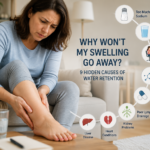
Puffy Legs, Swollen Feet, or Water Retention?
Here’s what your body may be trying to tell you — 10 common causes, how your lymphatic system fits in, and what may help.
Have you ever slipped on your shoes only to discover they suddenly feel much tighter than usual? Or perhaps you’ve removed your socks at the end of the day and noticed deep indentations around your ankles. Maybe your wedding ring feels unusually snug, or your legs seem heavier than they did just a few hours earlier.
These are common signs of water retention, a condition that affects millions of people worldwide.
For some individuals, swelling appears only after a long day on their feet. For others, it becomes a recurring problem that seems to linger no matter what they do. Although occasional swelling is often harmless, persistent or unexplained fluid retention can sometimes be your body’s way of signaling that something deeper deserves attention.
The good news is that understanding why swelling occurs is the first step toward finding an effective solution.
Tight rings and snug shoes by the end of the day?
Once you understand what’s really driving your swelling, small daily habits — and the right support — can make it much easier to manage.
See how Lymph Tonic fits in- What Is Water Retention?
- Why Does Swelling Occur?
- 10 Common Reasons Your Legs or Feet Are Swollen
- How the Lymphatic System Helps Control Fluid Balance
- Lifestyle Habits That May Help
- When Swelling Could Be a Medical Emergency
- Frequently Asked Questions
- Final Thoughts
What Is Water Retention?
Water retention — also known medically as edema — occurs when excess fluid accumulates within the body’s tissues instead of remaining properly balanced throughout the circulatory and lymphatic systems.
This excess fluid may collect almost anywhere in the body but is most commonly noticed in the feet, ankles, lower legs, hands, fingers, or face. Depending on the cause, swelling may develop gradually or appear quite suddenly. Some people experience swelling only during hot weather or after standing for long periods, while others notice it almost every day.
Common Signs of Water Retention
- Puffy feet or ankles
- Swollen legs
- Tight or shiny skin
- Shoes feeling tighter than normal
- Rings becoming difficult to remove
- A feeling of heaviness in the legs
- Temporary weight gain from excess fluid
- Skin that leaves a small indentation after being pressed (pitting edema)
These symptoms may come and go — or persist depending on the underlying cause.
Why Does Swelling Happen?
Your body carefully regulates how fluids move between your bloodstream and surrounding tissues. Several body systems work together to maintain this delicate balance, including the heart, kidneys, liver, blood vessels, hormones, and the lymphatic system.
When one or more of these systems isn’t functioning optimally, excess fluid can begin collecting in nearby tissues, resulting in swelling. Sometimes the cause is relatively simple, such as spending hours sitting on a long flight. In other cases, persistent swelling may point to an underlying medical condition that requires evaluation.
10 Common Reasons Your Legs or Feet Are Swollen
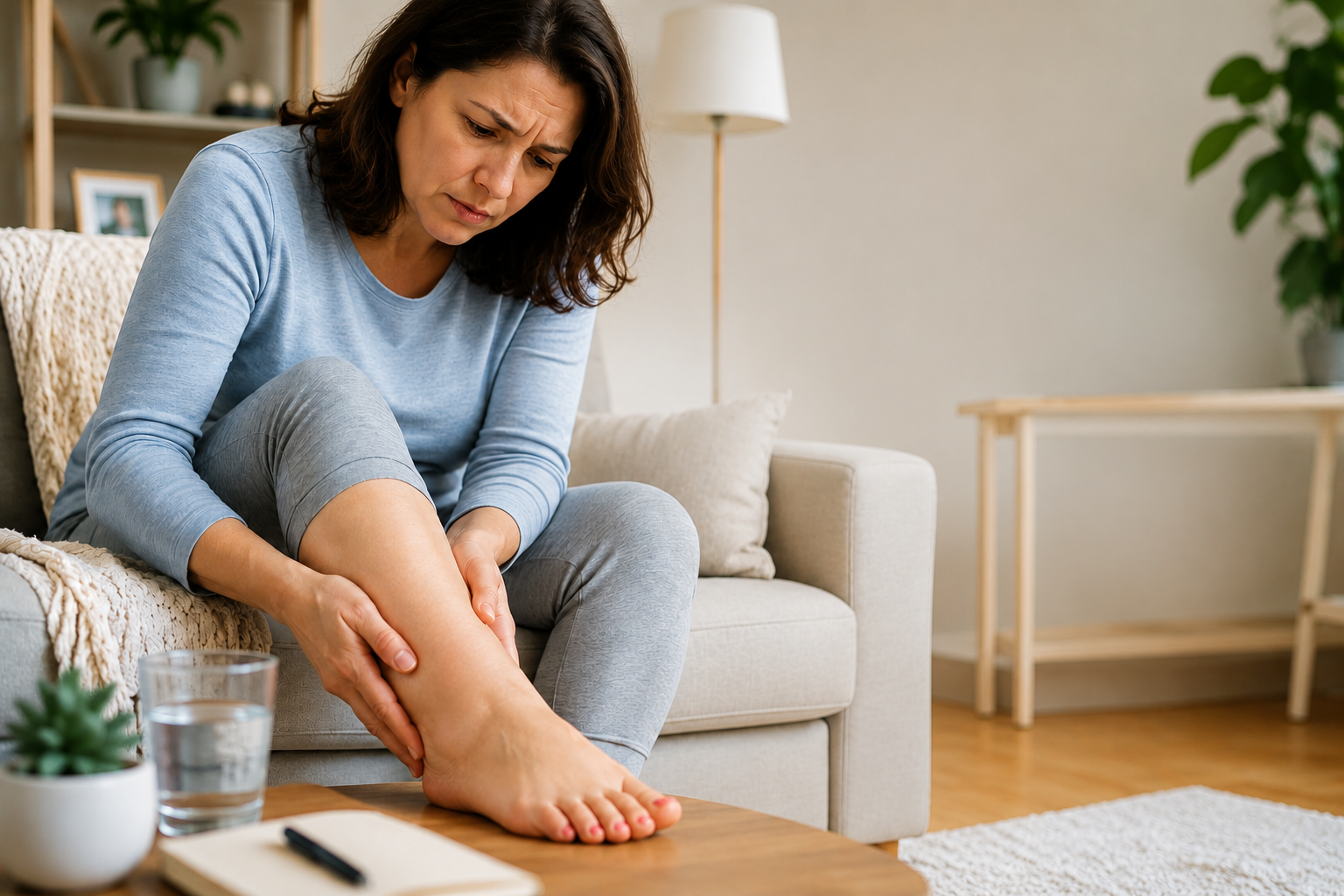
You Spent Too Long Sitting or Standing
One of the most common reasons for swollen feet is gravity. When you remain in the same position for several hours, blood and other fluids naturally begin pooling in your lower legs. Office workers, truck drivers, airline passengers, teachers, nurses, retail employees, and factory workers often experience this type of swelling.
What may help: walking every hour, stretching your calf muscles, elevating your legs after work, and wearing compression stockings if recommended by your healthcare provider.
Eating Too Much Sodium
Salt plays an important role in regulating fluid balance. However, consuming excessive sodium may encourage your body to retain additional water. Many people underestimate how much sodium they consume because most dietary sodium comes from processed foods rather than the salt shaker — fast food, frozen dinners, processed meats, restaurant meals, packaged snacks, and canned soups are common sources.
Reducing sodium intake while increasing potassium-rich foods — when appropriate for your health — may help support normal fluid balance.
Position and diet are the two easiest levers to pull
A short walk break and a lower-sodium plate go a long way — and many people pair those habits with extra lymphatic support.
Explore the natural optionNot Drinking Enough Water
It seems contradictory, but dehydration may contribute to temporary water retention. When your body senses that water is in short supply, it may conserve fluids to protect essential functions. Maintaining adequate hydration supports healthy kidney function and normal fluid regulation.
A good rule of thumb is to drink fluids regularly throughout the day, increasing intake during hot weather or physical activity unless your healthcare provider has advised fluid restriction.
Hormonal Changes
Hormones influence many aspects of fluid regulation. Women often notice swelling before their menstrual period, during pregnancy, or around menopause. Hormonal fluctuations involving estrogen and progesterone may contribute to temporary water retention during these life stages, and in most cases this type of swelling improves as hormone levels stabilize.
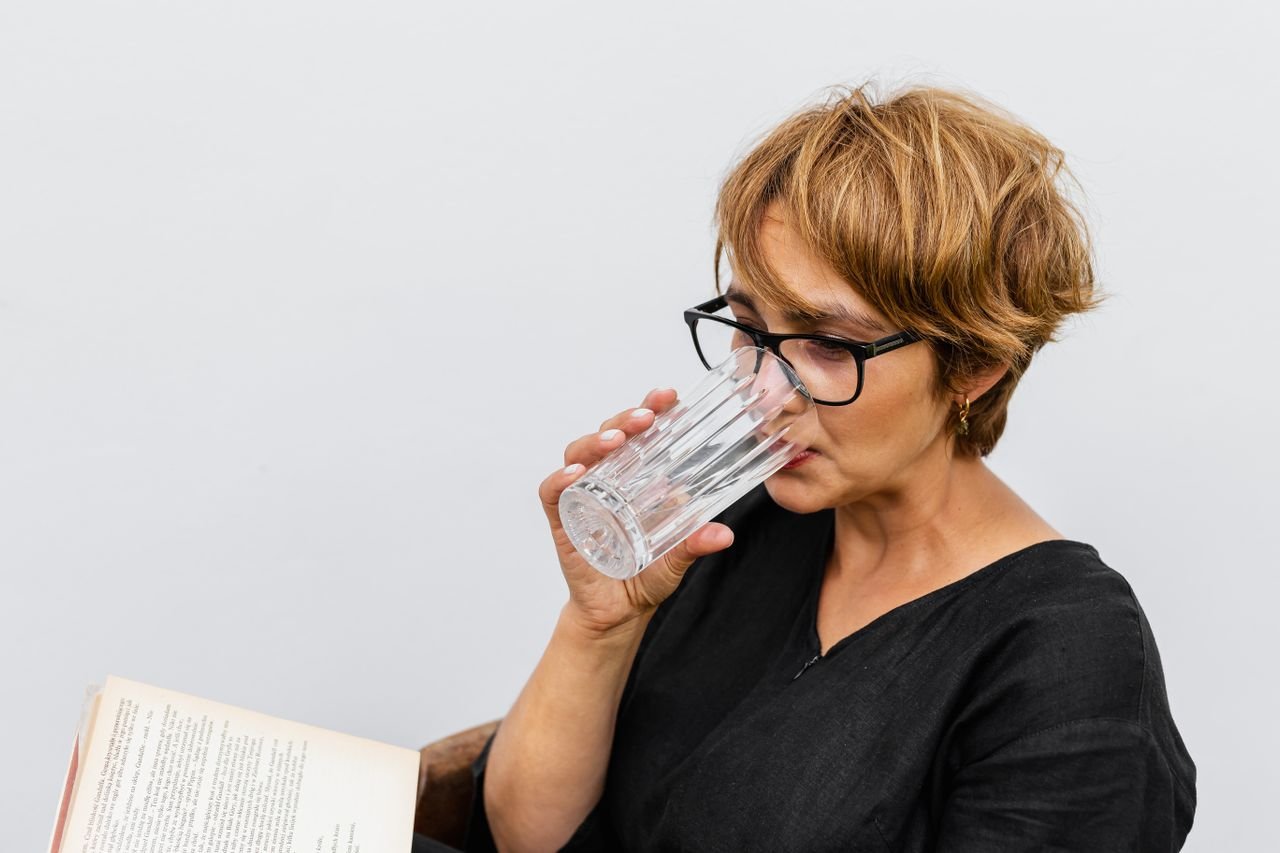
Hydration and hormones both shift fluid balance day to day
Small, consistent habits tend to help the most here — a steady water intake, and support that fits into your normal routine.
See how Lymph Tonic fits inCertain Medications
Several commonly prescribed medications list swelling as a potential side effect, including calcium channel blockers used for blood pressure, corticosteroids, hormone replacement therapy, some diabetes medications, and certain anti-inflammatory medications.
If swelling develops after starting a new medication, speak with your healthcare provider before making any changes. Never discontinue prescribed medication without professional guidance.
Why the Lymphatic System Matters
While many people are familiar with the heart and kidneys, fewer understand the important role played by the lymphatic system. Think of it as your body’s natural drainage network.
Every day, small amounts of fluid leak from blood vessels into surrounding tissues. The lymphatic system helps collect this excess fluid and return it to the bloodstream. It also plays a key role in supporting immune function, transporting certain fats from the digestive system, removing cellular waste products, and helping maintain healthy fluid balance.
Unlike your circulatory system, the lymphatic system doesn’t have a central pump like the heart. Instead, lymph moves through vessels with the help of muscle contractions, breathing, and one-way valves. This is one reason why regular movement and physical activity are so beneficial — not just for circulation, but also for supporting healthy lymphatic flow.
Your lymphatic system has no pump of its own — it relies on you
Movement, hydration, and daily habits all help lymph keep moving. Lymph Tonic was designed as a simple addition to that routine for people looking to support healthy lymphatic function naturally.
Learn how Lymph Tonic worksA supplement can support a healthy routine — it isn’t a substitute for medical treatment of a diagnosed circulatory, kidney, heart, liver, or lymphatic condition.
More Causes to Know
Poor Circulation Can Cause Fluid to Build Up
Your veins carry blood back to your heart with the help of tiny one-way valves that prevent blood from flowing backward. As we age — or if we spend long periods standing or sitting — these valves can gradually weaken, allowing blood to pool in the leg veins and fluid to leak into surrounding tissue. This condition is known as chronic venous insufficiency (CVI) and is one of the most common causes of persistent swelling in older adults.
Symptoms may include swollen ankles that worsen later in the day, aching or tired legs, varicose veins, brownish skin discoloration near the ankles, itchy skin, and leg heaviness.
Although CVI often requires medical evaluation, walking regularly, avoiding long sitting periods, elevating your legs, maintaining a healthy weight, and compression stockings (if recommended) may help support healthy circulation.
Your Kidneys May Not Be Filtering Fluid Efficiently
Healthy kidneys constantly filter your blood, removing excess water and waste products while maintaining electrolyte balance. If kidney function becomes impaired, excess fluid may remain in the body rather than being eliminated through urine — often appearing in the feet, ankles, lower legs, hands, or around the eyes, along with fatigue, changes in urination, high blood pressure, loss of appetite, or difficulty concentrating.
Because kidney disease often develops gradually, many people don’t notice symptoms until significant damage has already occurred. If swelling is accompanied by any of these symptoms, seek medical evaluation promptly.
Heart Conditions Can Lead to Fluid Retention
Your heart delivers oxygen-rich blood to every organ and tissue. When it cannot pump efficiently, blood may back up in the veins, and increased pressure allows fluid to leak into surrounding tissues — particularly in the legs, ankles, and feet. In more advanced cases, fluid may accumulate in the lungs, making breathing difficult.
Liver Disease Can Affect Fluid Balance
The liver produces proteins that help keep fluid inside blood vessels. When liver function becomes impaired, protein production may decrease, allowing fluid to leak into surrounding tissues and body cavities. People with chronic liver disease may experience swollen legs and ankles, abdominal swelling (ascites), fatigue, easy bruising, or yellowing of the skin or eyes — symptoms that require medical evaluation.
Kidney, heart, and liver-related swelling always need a doctor’s evaluation first
Once a serious cause is ruled out or being medically managed, many people still look for simple, natural ways to support day-to-day fluid balance alongside their care plan.
See the natural, daily-routine optionLymphedema: When the Lymphatic System Can’t Drain Properly
Unlike temporary water retention, lymphedema develops when lymphatic vessels are unable to adequately transport lymph fluid away from tissues. This condition may develop after cancer surgery involving lymph node removal, radiation therapy, serious infections, injury, or congenital abnormalities of the lymphatic system.
Swelling often develops gradually and may initially come and go before becoming more persistent. Common symptoms include one arm or leg becoming noticeably larger, a feeling of tightness or heaviness, reduced flexibility, thickened skin over time, and difficulty fitting into clothing or shoes.
Although there is no universal cure, early diagnosis and proper management can significantly improve quality of life. Treatment may include specialized compression therapy, exercise, skin care, and manual lymphatic drainage performed by trained professionals.
Healthy Lifestyle Habits That May Help Reduce Mild Swelling
While treatment depends entirely on the underlying cause, healthy lifestyle habits can support normal circulation and fluid balance for many people.
Stay Active
Movement is one of the best natural ways to encourage healthy circulation. Aim for at least 30 minutes of moderate activity most days of the week — walking, swimming, cycling, gentle yoga, and water aerobics are excellent options. Even short walks throughout the day can make a meaningful difference.

Eat a Balanced Diet
A nutritious eating pattern supports your entire cardiovascular system. Try to include colorful vegetables, fresh fruit, whole grains, lean proteins, healthy fats, beans and legumes, and nuts and seeds, while limiting highly processed foods.
Stay Hydrated
Water supports healthy kidney function, circulation, temperature regulation, and normal lymphatic function. Many adults simply don’t drink enough water throughout the day — needs vary depending on activity level, climate, medications, and medical conditions.
Maintain a Healthy Weight
Excess body weight places additional strain on veins, joints, the heart, and the lymphatic system. Even modest weight loss — when appropriate — may improve mobility and circulation.
Elevate Your Legs
If swelling develops after prolonged standing or sitting, elevating your legs above heart level for 15–30 minutes may help reduce fluid pooling.
Wear Comfortable Footwear
Shoes that are too tight may worsen discomfort when swelling is present. Supportive footwear can improve comfort during daily activities.
Limit Alcohol
Alcohol may contribute to dehydration and affect fluid regulation. Moderation is generally recommended.
These habits do the heavy lifting — support can make them easier to stick with
Many people pair movement, hydration, and diet with Lymph Tonic’s natural formula as part of a simple, consistent daily routine.
See what’s inside Lymph TonicWhen Should You See a Doctor About Swelling?
While mild swelling after a long day on your feet or during hot weather is often temporary, persistent, severe, or sudden swelling should never be ignored. Schedule an appointment with your healthcare provider if your swelling:
- Persists for several days without improving
- Continues to worsen over time
- Frequently returns without an obvious cause
- Is accompanied by unexplained weight gain
- Causes pain, numbness, or difficulty walking
- Is associated with changes in urination
- Appears together with skin discoloration or sores
- Develops after starting a new medication
Early diagnosis often makes treatment more effective and may help prevent complications.
When Is Swelling a Medical Emergency?
Once serious causes are ruled out, daily support still matters
For everyday, non-emergency puffiness, small consistent habits — plus the right natural support — are often enough to notice a difference.
Explore the natural optionCan Lifestyle Changes Help?
For many people, simple lifestyle habits can support healthy circulation and reduce occasional fluid retention. While these strategies are not a substitute for medical care when an underlying illness is present, they can be beneficial for overall health.
Move More Throughout the Day
Your muscles act like a natural pump that helps move blood and lymphatic fluid through the body. Take a short walk every hour if you work at a desk, stretch during long car rides or flights, use the stairs when possible, and include regular physical activity in your weekly routine.
Choose More Whole Foods
A diet centered around minimally processed foods may help support healthy fluid balance — more fresh vegetables, fruits, whole grains, lean proteins, beans, nuts, and healthy fats, and less sodium, added sugars, and highly processed ingredients.
Prioritize Hydration
Water supports kidney function, helps regulate body temperature, aids digestion, and maintains healthy circulation. Rather than waiting until you’re thirsty, develop a habit of drinking fluids consistently throughout the day unless advised otherwise.
Support Healthy Sleep
Poor sleep may contribute to hormonal imbalances, increased inflammation, elevated stress hormones, and reduced physical activity the following day. Adults should generally aim for 7–9 hours of quality sleep each night.
Manage Stress
Chronic stress affects nearly every system in the body, influencing hormone levels, eating habits, sleep quality, physical activity, and blood pressure. Simple techniques include deep breathing exercises, meditation, walking outdoors, gentle yoga, spending time with family and friends, and hobbies you enjoy.
Movement, food, sleep, and stress all touch your fluid balance
It’s a lot to juggle — which is exactly why many people look for one simple daily habit to anchor the rest.
See how Lymph Tonic fits inCurious what’s actually in Lymph Tonic?
Take a look at the formula and see whether it’s a fit for your daily routine.
View the formulaFrequently Asked Questions
Why do my feet swell more at the end of the day?
Gravity naturally causes fluid to move toward your feet and ankles while you’re standing or sitting, which is why swelling often becomes more noticeable later in the day.
Is water retention the same as weight gain?
No. Water retention causes temporary increases in body weight due to excess fluid rather than increased body fat.
Can dehydration cause swelling?
Yes. Although it seems surprising, dehydration may encourage your body to conserve water, which can contribute to temporary fluid retention in some situations.
Does walking help swollen legs?
For many people, yes — walking encourages muscle contractions that help improve circulation and support healthy lymphatic flow. If swelling results from an injury or a medical condition, consult your healthcare provider before beginning an exercise program.
Does eating salt always cause swelling?
Not necessarily. Sodium affects everyone differently — some individuals are particularly sensitive and may notice swelling after salty foods, while others notice very little change.
Can hormones cause swollen feet?
Yes. Hormonal changes during menstruation, pregnancy, and menopause may contribute to temporary fluid retention.
What is the lymphatic system?
A network of vessels, tissues, and organs that helps return excess fluid to the bloodstream, support immune function, remove cellular waste, and transport certain nutrients. Maintaining a healthy lifestyle — including regular movement, hydration, and balanced nutrition — supports overall lymphatic health.
Final Thoughts
Swollen feet, puffy legs, and persistent water retention can be frustrating, uncomfortable, and sometimes concerning. While occasional swelling is often linked to everyday factors like prolonged sitting, hot weather, or eating a salty meal, recurring or persistent swelling deserves closer attention.
As you’ve learned, many different factors can contribute to fluid retention, including diet, physical inactivity, medications, hormonal changes, circulation problems, kidney disease, heart conditions, liver disease, and issues affecting the lymphatic system.
The encouraging news is that many healthy habits — such as staying active, eating a balanced diet, maintaining a healthy weight, staying hydrated, and reducing excessive sodium intake — can support healthy circulation and normal fluid balance.
Most importantly, don’t ignore persistent swelling. Your body often provides subtle clues when something isn’t quite right. Paying attention to those signals and seeking medical advice when necessary can help identify underlying problems early and support better long-term health.

Support healthy fluid balance, one habit at a time
Lymph Tonic is designed to pair with the everyday habits above — movement, hydration, and a balanced diet — as a simple addition to your routine.
Try Lymph Tonic today