It can feel unfair. If you’re someone who seems to get cavities over and over again, you may even start questioning whether you’re doing something wrong.
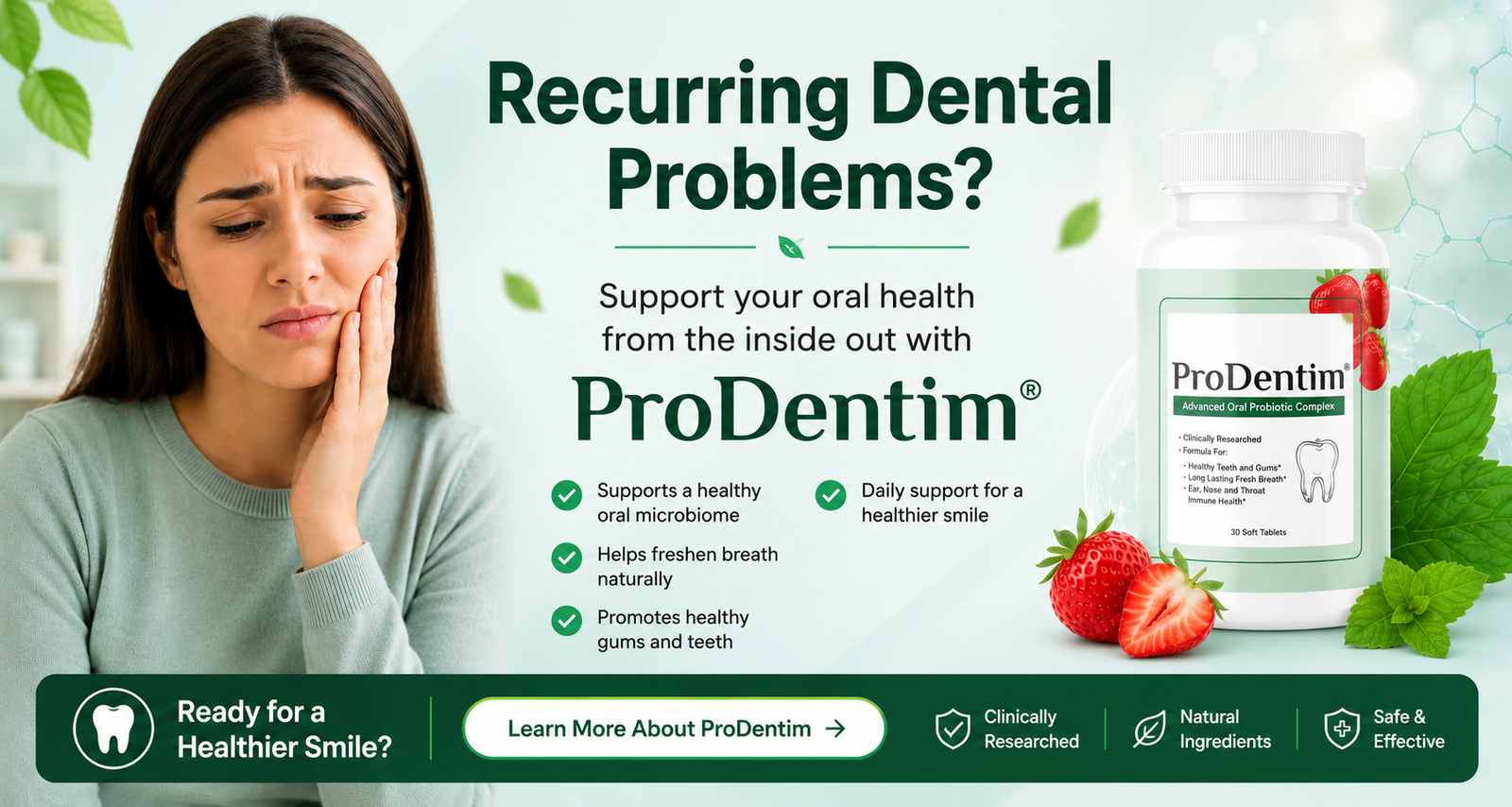
Have you ever wondered why one person can enjoy sweets, occasionally forget to floss, and still walk out of every dental appointment with a perfect report, while another develops cavities despite brushing twice a day and following every recommendation?
It can feel unfair. If you’re someone who seems to get cavities over and over again, you may even start questioning whether you’re doing something wrong.
The truth is, cavities don’t develop for just one reason. While brushing and flossing are essential habits, they’re only part of a much bigger picture. Your genetics, saliva, eating habits, oral bacteria, and lifestyle choices all influence whether your teeth stay healthy — or become vulnerable to decay.
Understanding these factors can help you make smarter decisions that support long-term oral health instead of simply reacting to problems after they appear. Let’s explore why some people seem naturally resistant to cavities and what you can do to improve your own oral environment.
Before we get into the “why,” here’s the short version: many people now treat brushing and flossing as only half the equation, pairing their routine with a daily oral probiotic like ProDentim to support the bacteria living in the mouth, not just remove them. See how it fits into a daily routine →
What Causes a Cavity?
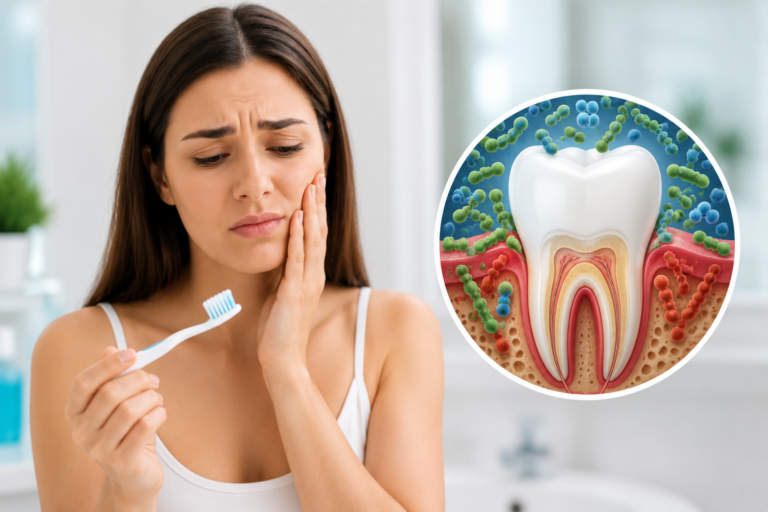
A cavity doesn’t appear overnight. It’s the result of a process that happens gradually. Every day, bacteria living in your mouth feed on leftover sugars and carbohydrates from the foods and drinks you consume. As they digest these sugars, they produce acids. Over time, these acids weaken the protective enamel covering your teeth. If this process continues without enough time for your teeth to repair themselves, small areas of damage can eventually become cavities.
Cavities develop when several factors work together — not because of a single cause.
The Five Biggest Factors That Influence Cavities
Genetics Can Influence Your Risk
Some people inherit characteristics that naturally make cavities less likely. Genetics may affect tooth enamel strength, tooth shape and spacing, saliva composition, immune responses, and the types of bacteria that naturally live in the mouth.
For example, deep grooves in the chewing surfaces of teeth can trap food more easily than smoother teeth. Likewise, stronger enamel may resist acid attacks better than weaker enamel. While you can’t change your genes, understanding that genetics is only one piece of the puzzle can help you focus on the factors you can control.
Saliva Is One of Your Mouth’s Best Defenses
Many people underestimate the importance of saliva. When saliva production decreases — because of dehydration, certain medications, aging, or medical conditions — your risk of cavities may increase.
What Saliva Does
- Washes away food particles
- Neutralizes acids
- Lubricates oral tissues
- Supplies minerals that help remineralize enamel
- Supports a balanced oral environment
Support Healthy Saliva
- Drink plenty of water throughout the day
- Limit sugary drinks
- Avoid tobacco products
- Talk with your provider about dry-mouth medications
- Chew sugar-free gum if recommended
Your Diet Feeds More Than Just You
Every snack affects the bacteria living in your mouth. Foods high in sugar and refined carbohydrates provide fuel for acid-producing bacteria. Frequent snacking can be especially challenging because it gives bacteria repeated opportunities to produce acids. On the other hand, a balanced diet that includes vegetables, dairy products, lean proteins, nuts, and high-fiber foods may help support a healthier oral environment. It’s not about never eating treats — it’s about reducing how often harmful bacteria have access to their favorite fuel.
Feeds Bacteria
- Sugar and refined carbohydrates
- Frequent snacking throughout the day
- Sugary foods and drinks between meals
Feeds You
- Vegetables
- Dairy products
- Lean proteins
- Nuts
- High-fiber foods
Why Timing Matters
Many people focus only on how much sugar they consume. Frequency often matters just as much. Eating sugary foods throughout the day means your teeth spend more time exposed to acid attacks. Limiting constant snacking gives saliva more time to restore a healthier balance inside your mouth.
Your Oral Microbiome Plays a Bigger Role Than Most People Realize
One of the biggest discoveries in modern oral health research is the importance of the oral microbiome. Your mouth contains billions of microorganisms — some beneficial, others that can contribute to tooth decay when they become too dominant.
In a healthy mouth, beneficial bacteria help create balance. Problems may arise when this balance shifts and acid-producing bacteria gain the upper hand — a condition sometimes called oral dysbiosis. Rather than thinking about eliminating every bacterium, many researchers now focus on encouraging a healthier balance between beneficial and harmful microorganisms.
Could Supporting Your Oral Microbiome Help?
If you’re brushing consistently but still seem prone to cavities, it may be worth looking beyond surface cleaning alone. Many people are now exploring oral probiotic supplements as a way to support beneficial bacteria alongside brushing, flossing, healthy eating, and regular dental care.
One product that has attracted considerable attention is ProDentim. Its oral probiotic formula is designed to complement a healthy oral care routine by supporting a balanced oral microbiome.
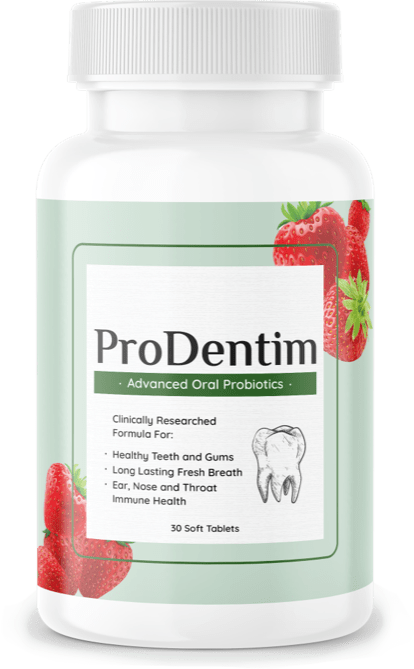
Learn more about ProDentim
Discover how it fits into a complete oral wellness routine — alongside the brushing, flossing, and diet habits you’re already building.
Everyday Habits Can Make a Big Difference
Small daily habits add up over time. Some of the most important include:
- Brush Effectively — twice a day, using a fluoride toothpaste and a soft-bristled toothbrush.
- Clean Between Your Teeth — floss or use interdental cleaners daily to remove plaque your toothbrush can’t reach.
- Stay Hydrated — water supports healthy saliva production and rinses away food particles.
- Visit Your Dentist Regularly — routine visits help catch small concerns before they grow.
- Get Enough Sleep — sleep supports overall health, including your body’s natural defenses.
- Manage Stress — chronic stress may contribute to habits that indirectly affect oral health.
Why Some Rarely Get Cavities
- Strong enamel
- Healthy saliva flow
- A balanced oral microbiome
- Nutritious eating habits
- Consistent oral hygiene
- Regular dental care
- Lower frequency of sugary snacks
Why Others Get Cavities More Often
- Dry mouth
- Frequent snacking
- High sugar intake
- Poor bacterial balance
- Reduced saliva production
- Deep grooves in teeth
- Certain medications
- Smoking or tobacco use
- Inconsistent oral hygiene
It’s usually not just one advantage — it’s the combination that makes the difference. The good news is that many of these factors are modifiable, and even small improvements can support a healthier oral environment over time.
Building a Healthier Oral Environment
Rather than focusing solely on preventing cavities, think about creating conditions that naturally support healthier teeth. A complete oral care routine may include:
- Brushing twice daily
- Flossing every day
- Eating a balanced diet
- Staying hydrated
- Limiting frequent sugary snacks
- Visiting your dentist regularly
- Supporting a healthy oral microbiome
This holistic approach addresses more than just surface cleaning — it helps create an environment where your teeth have a better opportunity to stay healthy.
Where Oral Probiotics Fit In
Interest in oral probiotics has grown because they take a different approach to oral wellness. Instead of focusing only on removing bacteria, oral probiotics are designed to support beneficial bacteria that naturally live in the mouth. They are not a replacement for brushing, flossing, or professional dental care — rather, they can be considered one part of a broader oral wellness strategy.
Products like ProDentim are becoming increasingly popular among people who want to support a balanced oral microbiome while maintaining their existing oral hygiene habits. If recurring cavities have become a frustrating pattern despite your best efforts, learning more about oral probiotics may be worthwhile.
👉 Discover how ProDentim complements brushing and flossing by supporting a healthier oral environment.
Frequently Asked Questions
Can you get cavities even if you brush twice a day?
Yes. Brushing is essential, but factors such as diet, saliva production, oral bacteria, genetics, and lifestyle also influence cavity risk.
Does sugar always cause cavities?
Sugar itself doesn’t directly create cavities. Instead, bacteria feed on sugars and produce acids that can weaken tooth enamel over time.
Can dry mouth increase cavity risk?
Yes. Saliva helps wash away food particles and neutralize acids. Reduced saliva production may increase the likelihood of tooth decay.
What is the oral microbiome?
The oral microbiome is the community of microorganisms that naturally live inside your mouth. Maintaining a healthy balance between beneficial and harmful bacteria is an important part of oral wellness.
Are oral probiotics a replacement for brushing?
No. Oral probiotics are intended to complement — not replace — good oral hygiene habits and regular dental care.
Final Thoughts
If you’ve always believed that cavities are simply the result of poor brushing habits, it’s time to look at the bigger picture. Oral health is influenced by a combination of genetics, saliva, diet, daily habits, and the balance of bacteria living inside your mouth.
While you can’t control every factor, you can take meaningful steps to support a healthier oral environment. Brushing, flossing, eating well, staying hydrated, and visiting your dentist remain the foundation of good oral health. For many people, adding support for the oral microbiome is another logical step — that’s why oral probiotics such as ProDentim have become an increasingly popular option for individuals looking to complement their daily oral care routine.
👉 Explore ProDentim today and take the next step toward supporting a healthier oral environment.
If you’re ready to take a more complete approach to oral wellness, now may be the perfect time to find out how ProDentim can fit into your healthy habits.
Disclosure: This page contains affiliate links. If you choose to purchase ProDentim through them, we may earn a commission at no additional cost to you. This content is for general informational purposes and is not a substitute for professional dental or medical advice.