You brush your teeth every morning.
You brush again before bed.
You buy quality toothpaste, replace your toothbrush regularly, and do your best to follow the advice you’ve heard for years.
So why do your teeth and gums seem to keep getting worse?
Maybe you’ve recently been told you have another cavity. Perhaps your gums bleed when you brush, or you’re dealing with persistent bad breath that won’t go away. For some people, it’s increased tooth sensitivity. For others, it’s the frustration of hearing their dentist point out new issues despite maintaining what seems like a good oral hygiene routine.
If any of this sounds familiar, you’re not alone.
Many people assume that brushing alone is enough to keep their teeth and gums healthy. While brushing is certainly one of the most important habits for maintaining oral health, it may not be the complete solution many people believe it is.
The truth is that your mouth is far more complex than most of us realize. Every day, billions of bacteria live inside your mouth, creating an ecosystem that can either support healthy teeth and gums or contribute to problems such as cavities, plaque buildup, gum irritation, and bad breath.
This means that even if you’re brushing consistently, other hidden factors could be working against you.
From bacterial imbalances and dry mouth to diet, stress, aging, and lifestyle habits, there are several reasons why your oral health may be declining despite your best efforts.
In this article, we’ll explore the most common reasons your teeth may be getting worse even though you brush every day—and what you can do to support a healthier mouth from the inside out.
The Biggest Myth About Oral Health
For decades, most people have been taught a simple formula:
Brush your teeth twice a day and you’ll avoid dental problems.
While brushing is essential, this belief oversimplifies how oral health actually works.
Think about it this way. If brushing alone determined the health of your teeth, then everyone who brushed regularly would have perfect dental checkups. Yet millions of people continue to experience cavities, gum issues, bad breath, and plaque buildup despite maintaining consistent brushing habits.
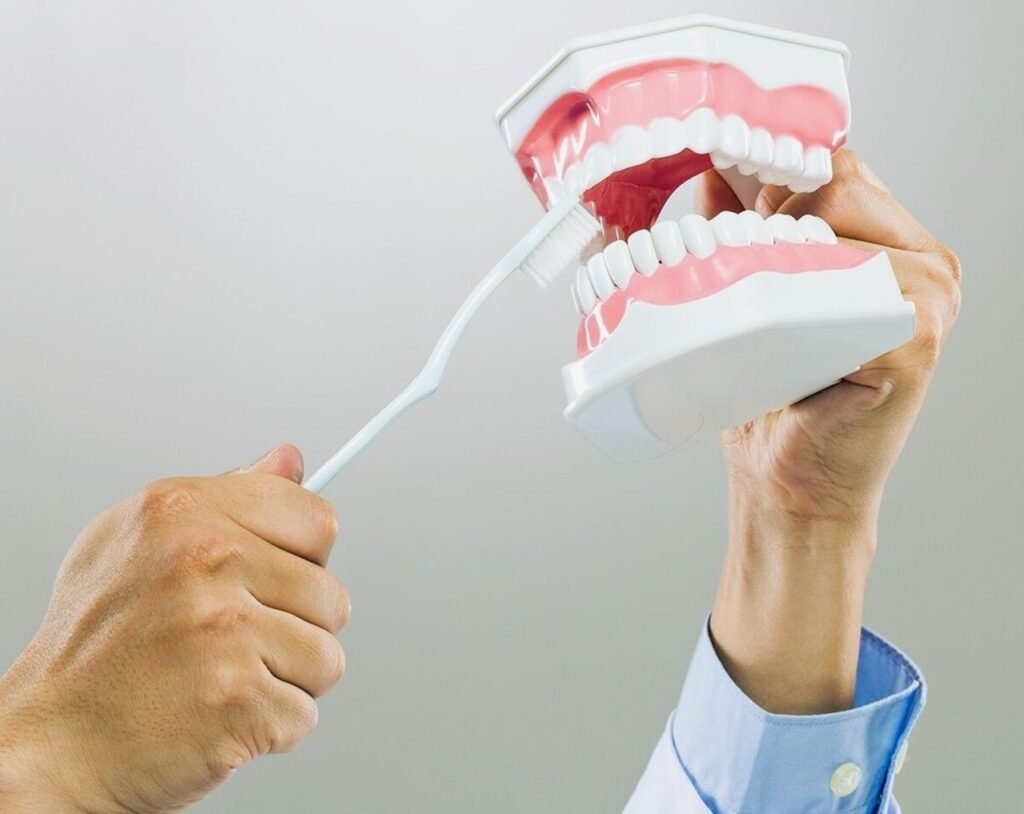
That’s because brushing primarily addresses one part of the equation: cleaning the surface of your teeth.
What it doesn’t fully address is the environment inside your mouth.
Your mouth is home to a vast community of microorganisms known as the oral microbiome. This community includes both beneficial and harmful bacteria. When these bacteria exist in a healthy balance, they help support normal oral health. However, when harmful bacteria begin to dominate, they can contribute to a variety of dental concerns.
This is why two people with nearly identical brushing habits can have very different oral health outcomes.
Factors such as diet, saliva production, age, medications, stress levels, and bacterial balance can all influence what happens inside your mouth between brushing sessions.
In other words, brushing is important—but it’s only one piece of a much larger puzzle.
Understanding that bigger picture may help explain why your teeth seem to be getting worse despite doing what you’ve always been told is enough.
One of the most overlooked pieces of that puzzle is the balance of bacteria living in your mouth.
Some people who continue experiencing bad breath or recurring dental concerns despite brushing regularly are exploring oral probiotics as part of their daily routine.
Learn more about ProDentim →